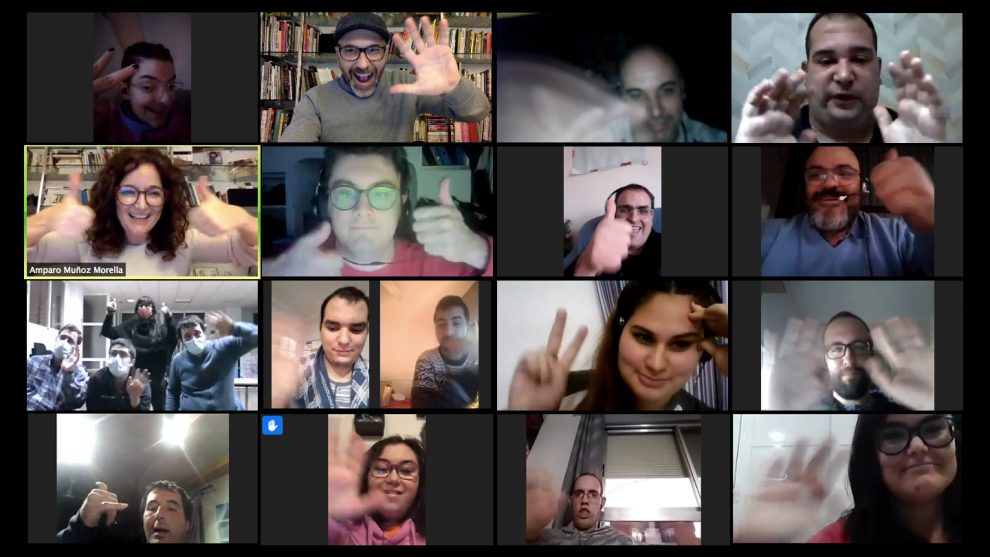
ANDANAfoto pioneer, launches a course of self-knowledge through photography for WhatsApp
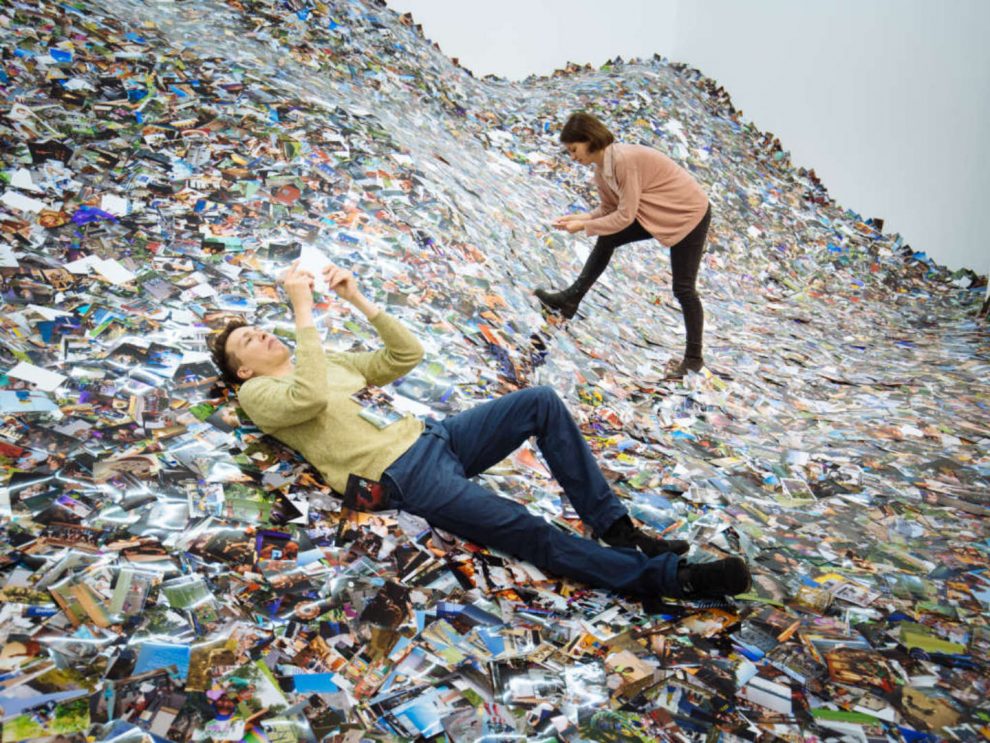
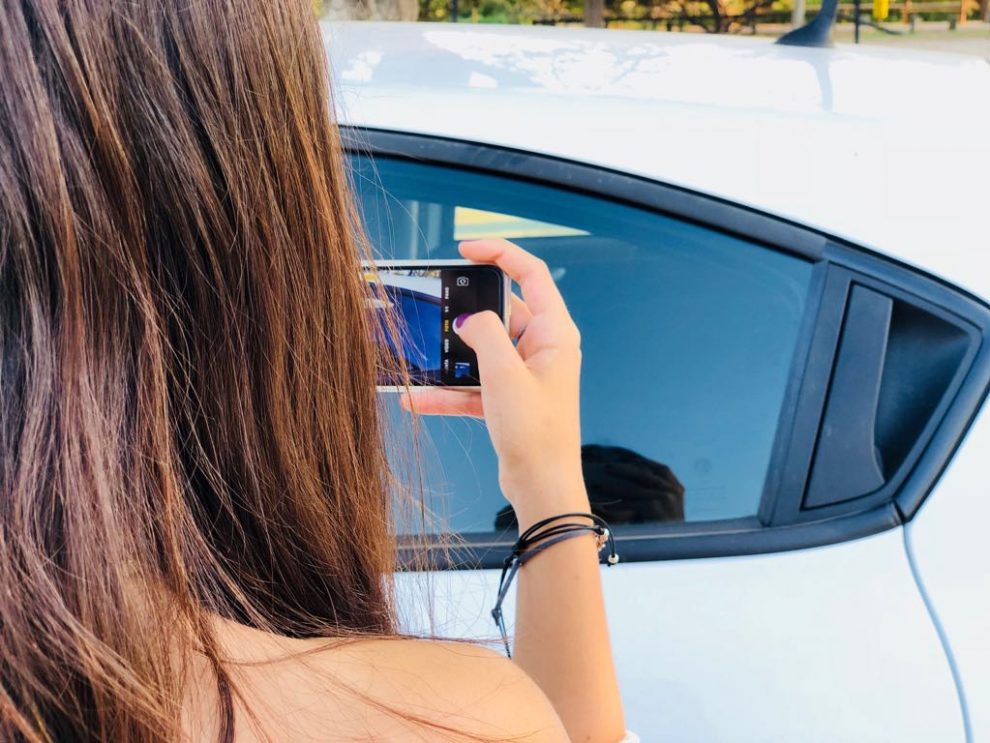
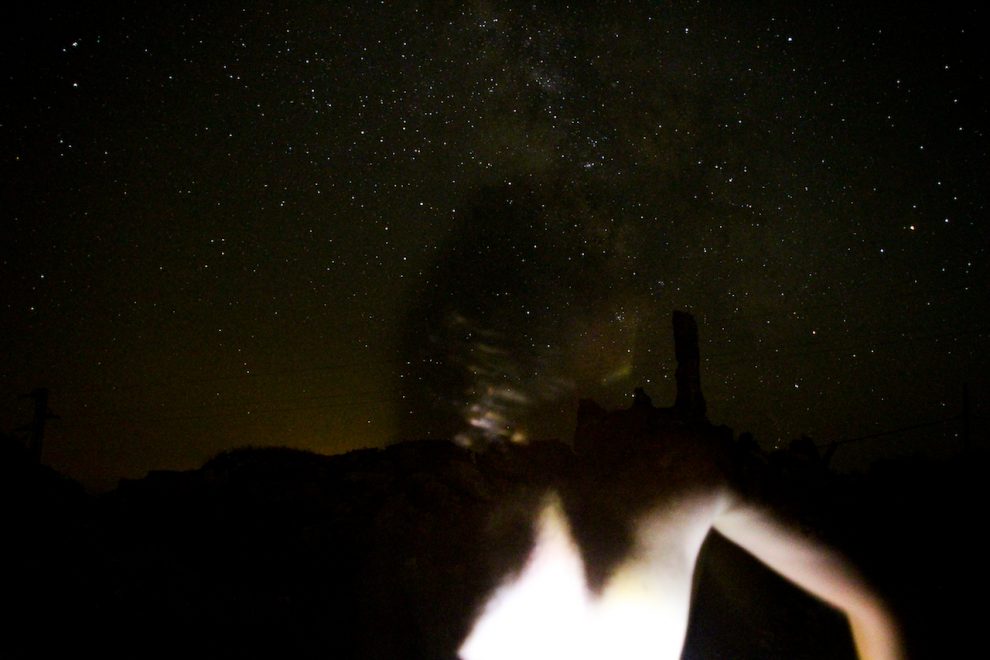
Today, more than ever in history, we have the possibility to take pictures at any time. We create images quickly and easily. We create images because we can.

Today, more than ever in history, we have the possibility to take pictures at any time. We create images quickly and easily. We create images because we can.
Photography, since its invention, has changed our lives in every way, what we know, how we represent ourselves, what we discover and document.
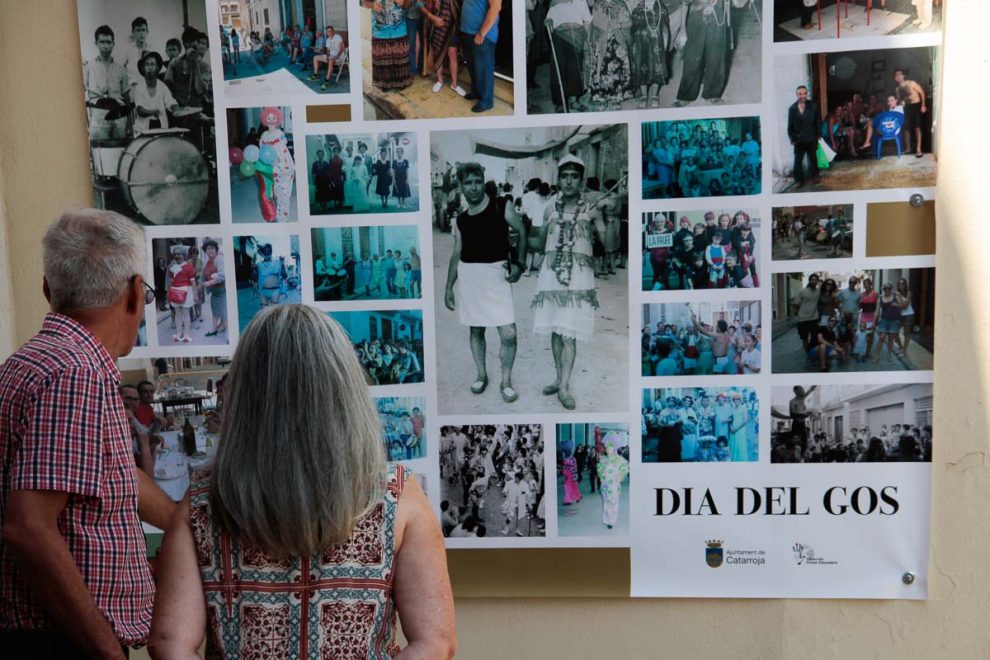
Colps de llum can be freely visited on Carrer Sant Pere in the town of Catarroja, Valencia. It is a family album of the les Barraques neighborhood, telling the story of its people, its festivals, its streets and transformations — an album created photo by photo by Paco Costa.
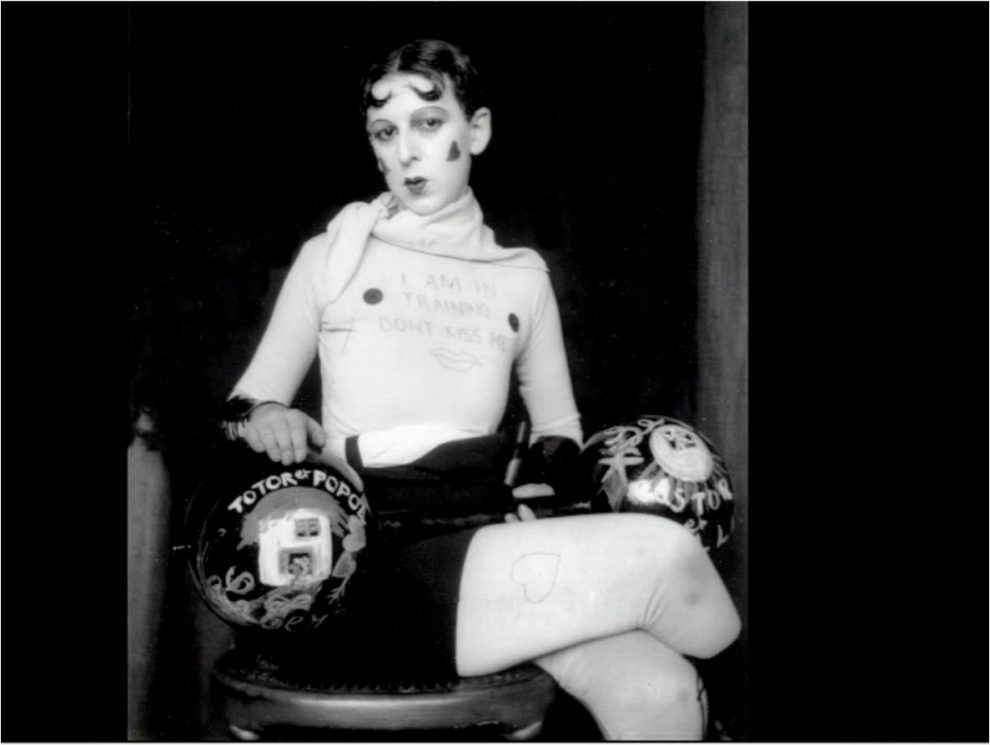
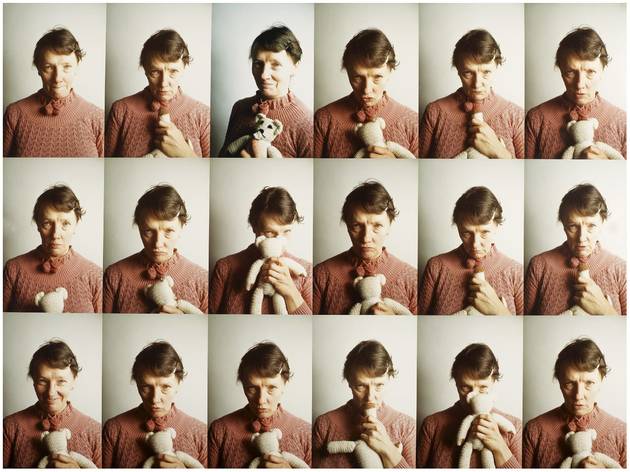
Claude Cahun used self-portraiture to document her changes, to invent possible identities, and to become what she desired. The camera not only captures who we are, but also allows us to invent who we want to be, to discover that what defines us is fluid and ever-changing, that we are free to reinvent ourselves at any moment in our lives. This is the profound liberation.
Can images change the world we live in?
This great question can haunt those who make documentary photography, those who find spaces, places and communities in the world that need help or global support, and those who say that what is happening can’t happen in an ethical and civilized society.
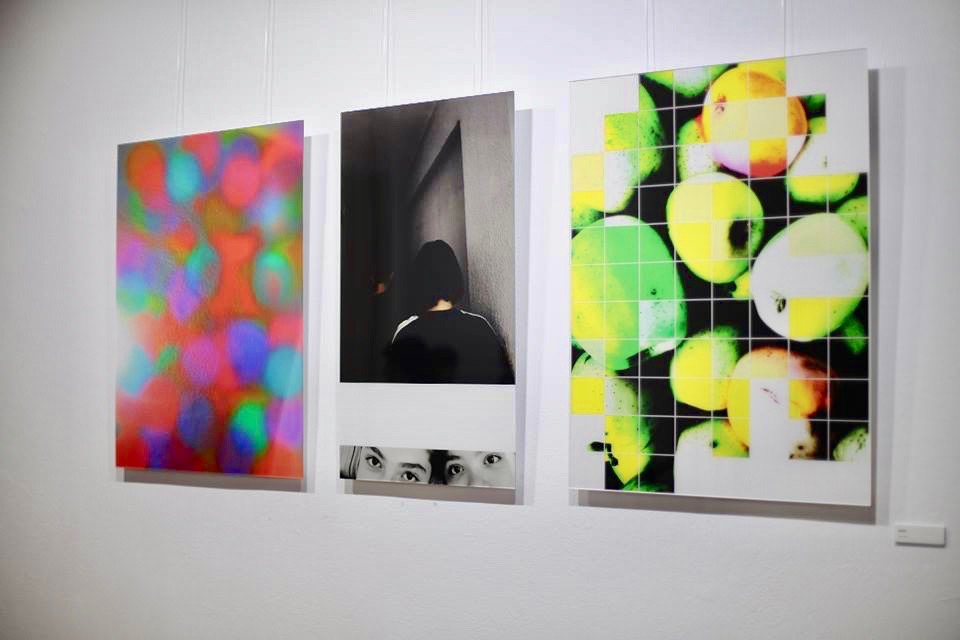
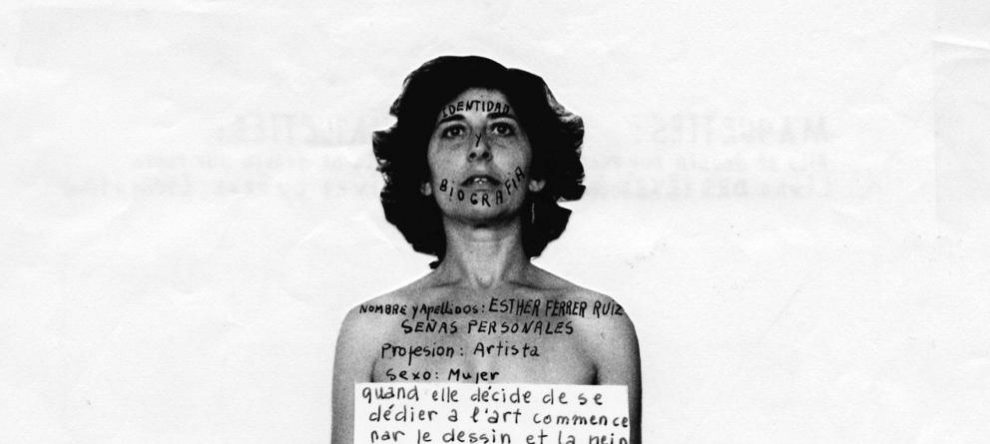
Inma García Peris is an artist who narrates from her own biography, an identity shared with other forms of diversity, a fundamental narrative for understanding her work.
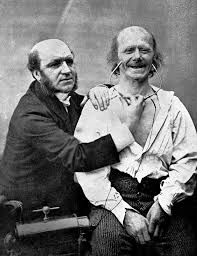
In this second part, we jump to the 20th century. Photography as a therapeutic tool has been used and researched by many doctors and psychiatrists through different techniques and both individual and group resources
The use of photography as a therapeutic tool was explored and investigated by many doctors and psychiatrists with different individual and group techniques and resources.
For nine months, the CEIP San Juan de Ribera team in Valencia, led by its director, Teresa Ripoll, participated in classes led by ANDANA to integrate photography into the classroom. The curriculum designed expressly for this project covered various topics, from photographic techniques to developing photographic projects.
This exhibition talks about the need to break the silence, to give light and make visible the reality of people in the process of integration, anonymous artists or ordinary people that we all are. The images show a normalizing and integrating nuance, an understanding of reality from the perspective of its own protagonists.
Perhaps this exercise of asking allows us to admire people who persist in pursuing what they desire, even when it may seem impossible at times.Ask. It’s time to start your project.
We are firmly convinced that photography can bring about significant change. So, when psychologist Concha Sánchez invited us to collaborate on integration and inclusion activities for minors, we didn’t hesitate—despite it being August, we knew it would be worth it.
Have you ever thought about how you are? Who are you? If you are where you want to be? Typically, we don’t reflect on how we are, what makes us happy or brightens our days, unless something breaks our stability.
Some parents understand that teaching visual culture and photographic expression is important for their children’s present and future.
The evocative power of images has been widely studied. Through them, forgotten memories and stories, which are part of both individual and collective memory, can be verbalized and even reclaimed from oblivion. In this sense, the photographic image is an effective tool for promoting historical discourse and preserving personal memory.
“There is a vitality, a life force, an energy, a quickening that is translated through you into action, and because there is only one of you in all of time, this expression is unique. And if you block it, it will never exist through any other medium and will be lost.”
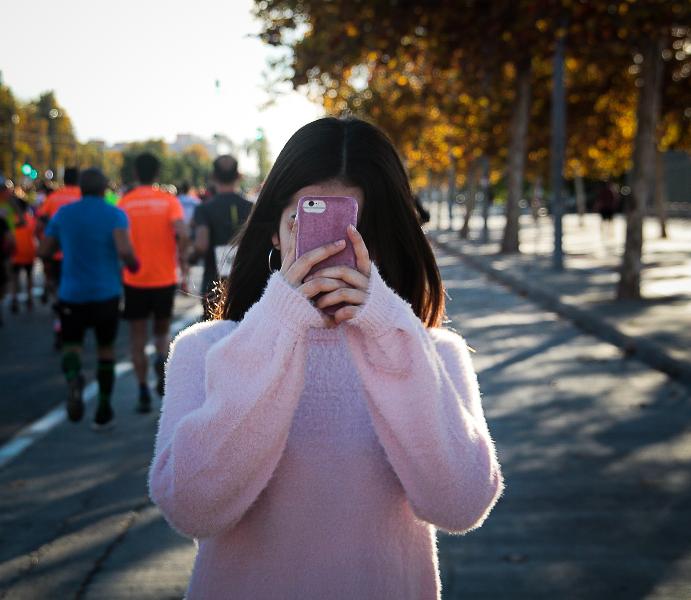
In this image-driven culture, it is no surprise to find tweens and teens with Instagram accounts filled with hundreds of images and thousands of followers. Instagram is used for chatting, exchanging information, sharing photos, showcasing personal life, posting inspiring quotes, and building self-image, which is why it is a favorite among young people.
Want to start a photography project but don’t know where to start?
Would you like to build and develop your photography project authentically?
Many people spend their lives not doing what they truly wish, believing they must follow what they are expected to do rather than what they truly want.
In this section, you will find established photography workshops for children and youth. In these workshops, your children will learn photography through emotional expression. We offer these workshops with the assurance that they are led by professionals who have trained with us.
As a method or instrument of artistic expression, photography holds all the necessary characteristics to make us more cognitively and creatively effective.