

Photography and Clinical Psychology: From Self-Knowledge to Professional Practice
Fotografía y psicología clínica: ¿puede utilizarse la fotografía dentro de una intervención psicológica?

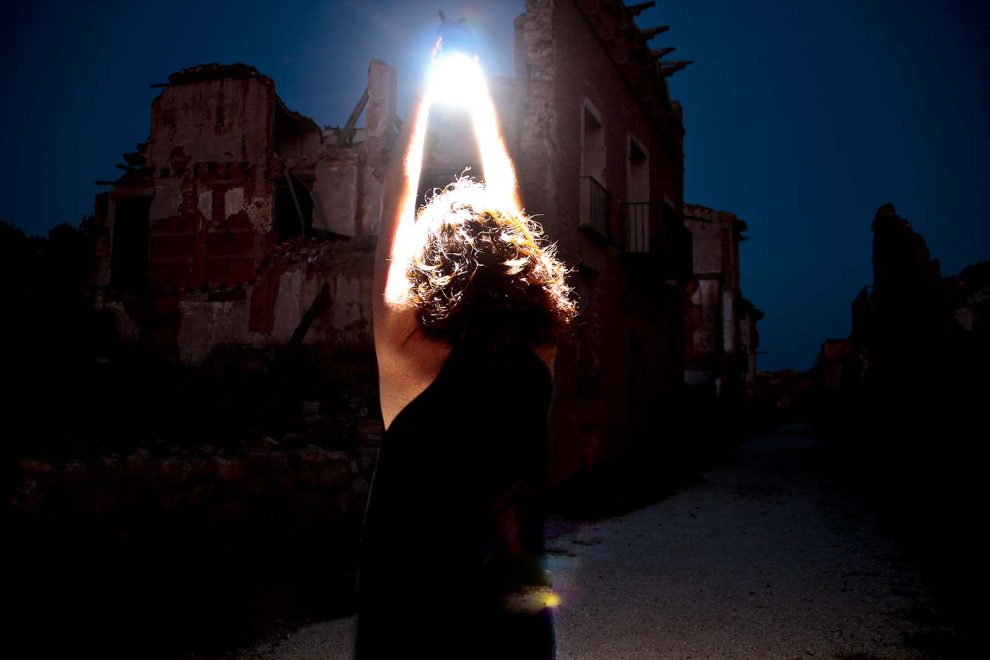
Fotografía y psicología clínica: ¿puede utilizarse la fotografía dentro de una intervención psicológica?
There are people who continue to live within us even when they are no longer present: our mother, father, a sibling, a partner, or a close friend. Someone we loved deeply. Even someone with whom we had a difficult relationship.
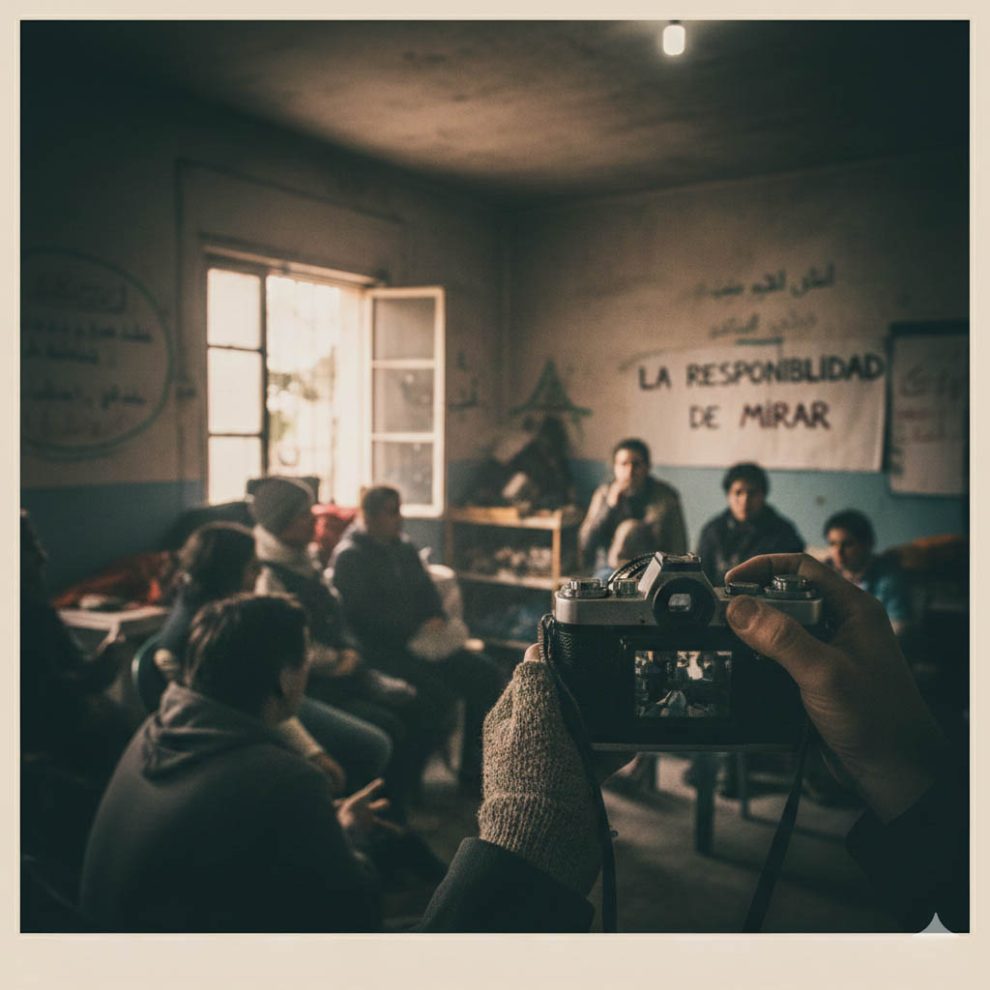
Documentary photography is a powerful tool for social representation, but it also raises ethical dilemmas related to the gaze, vulnerability, and the construction of narratives about others. From a psychological perspective, this article explores the cognitive, emotional, and relational processes involved in the act of photographing, with the aim of encouraging more respectful, conscious, and collaborative practices in today’s visual culture.
ANDANA was born from a story of love and connection, not only between Javier and me but also with photography and the transformative potential of art.

A self-portrait in therapeutic photography is more than just a visual representation; it serves as a powerful tool for self-knowledge and exploring emotions and identity.
We want to express our deepest gratitude for the wonderful opinions you have shared about our training experiences. We are delighted to know that our passion for photography and personal development has resonated so positively.

Photography, as a therapeutic tool, aims to enhance the health, well-being, and personal growth of individuals through the utilization or creation of images.
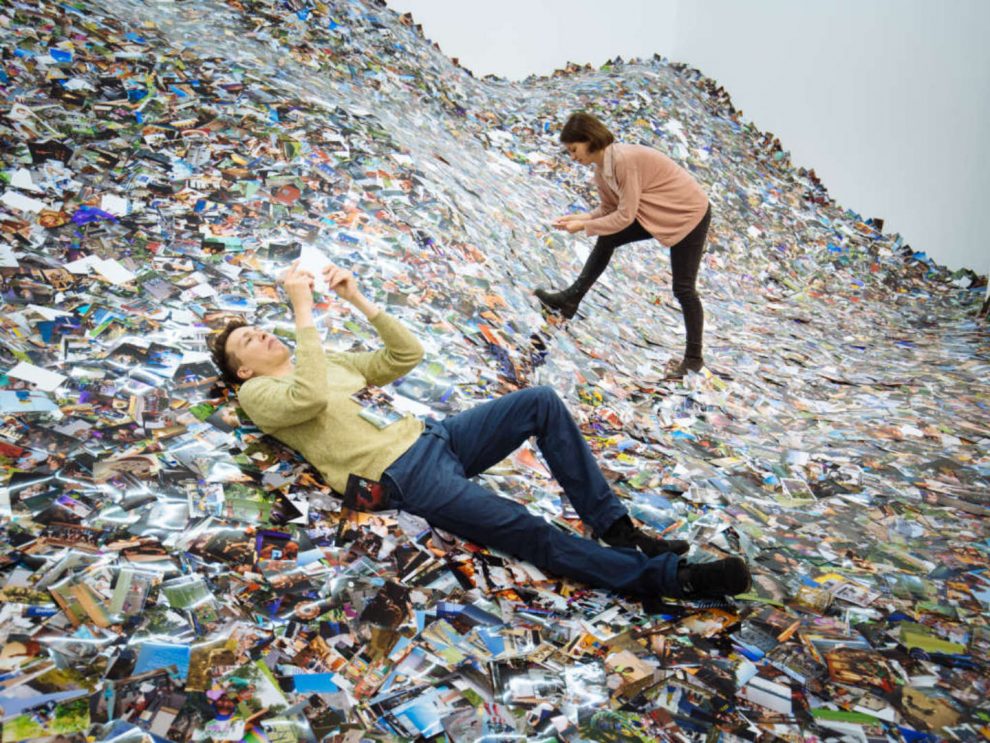
Photography, since its invention, has changed our lives in every way, what we know, how we represent ourselves, what we discover and document.

Can images change the world we live in?
This great question can haunt those who make documentary photography, those who find spaces, places and communities in the world that need help or global support, and those who say that what is happening can’t happen in an ethical and civilized society.
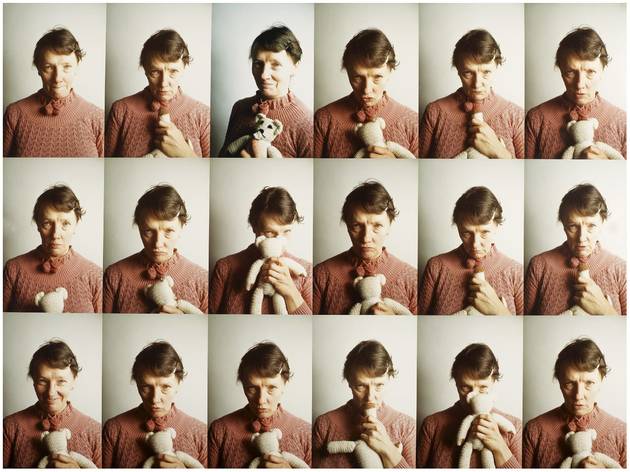
In this second part, we jump to the 20th century. Photography as a therapeutic tool has been used and researched by many doctors and psychiatrists through different techniques and both individual and group resources
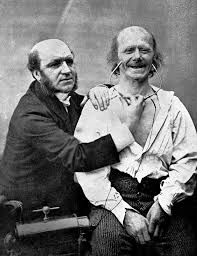
The use of photography as a therapeutic tool was explored and investigated by many doctors and psychiatrists with different individual and group techniques and resources.
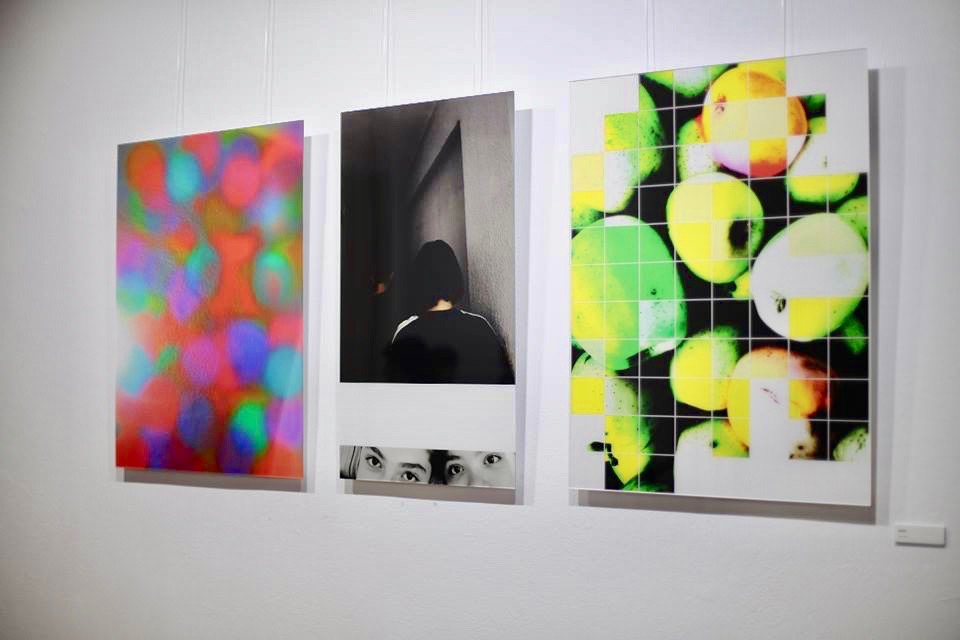
This exhibition talks about the need to break the silence, to give light and make visible the reality of people in the process of integration, anonymous artists or ordinary people that we all are. The images show a normalizing and integrating nuance, an understanding of reality from the perspective of its own protagonists.

The evocative power of images has been widely studied. Through them, forgotten memories and stories, which are part of both individual and collective memory, can be verbalized and even reclaimed from oblivion. In this sense, the photographic image is an effective tool for promoting historical discourse and preserving personal memory.
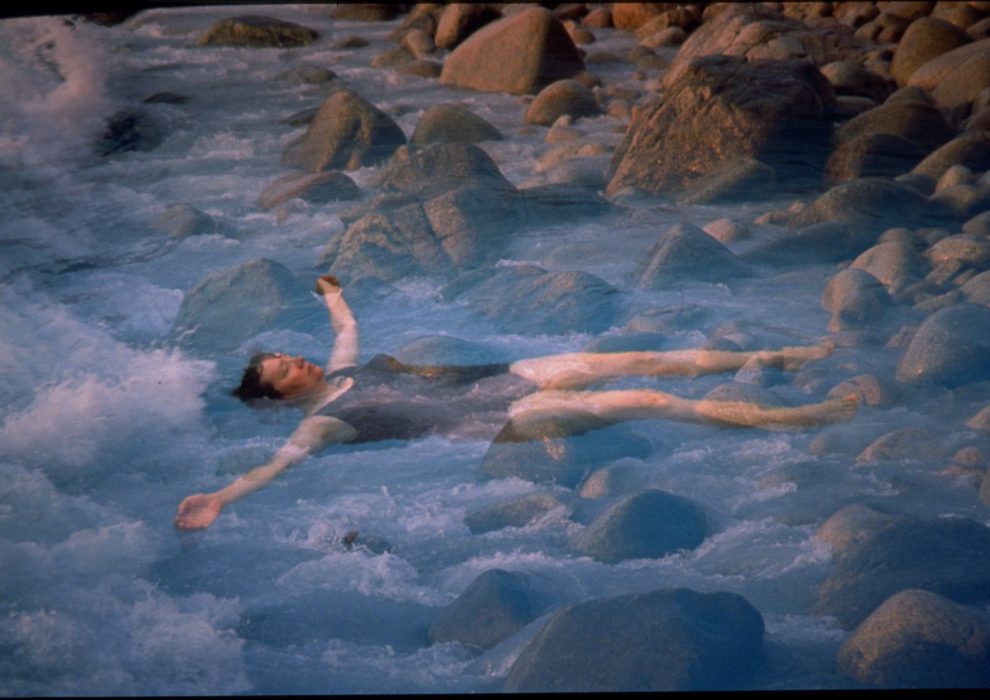
It was a great find. Few books speak so clearly about the processes of therapeutic photography and the use of photography in personal spaces and social intervention.


A photograph is where the interests and desires of the viewer intersect, and these are just as important for the person taking the photo as they are for the viewer. Sometimes, the message aligns, and sometimes, it does not. That is why photography, rich in meaning for both the photographer and the viewer, is always an OPPORTUNITY.

Can a blind person take photos? Seeing is not a requirement for taking photos, as they are not solely born from sight. A blind person is endowed with the paradox of not being able to see the world, yet also with a sense of mystery and a connection to another reality. The…
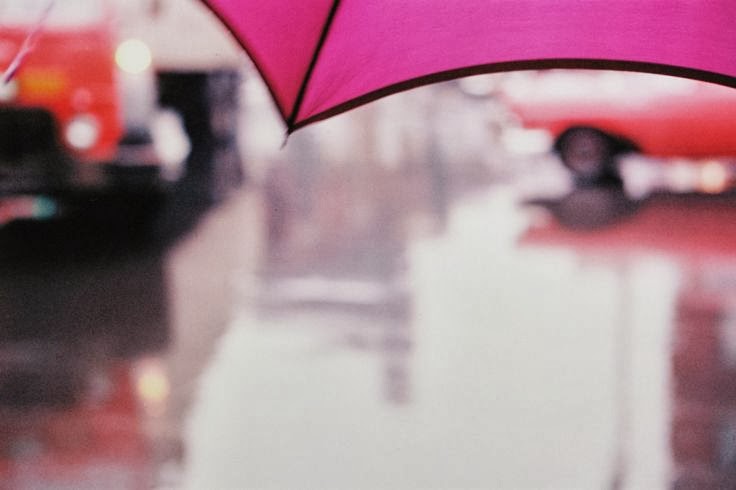
Street photography is not a recent discovery; it has existed since the invention of photography. In fact, what is considered to be Niepce’s first photograph is of a street.