Humanistic Photojournalism, Psychology and Participatory Photography at the Asturias International Photojournalism Conference.


What is human in public places,
with or without a street,
with or without people,
the absence, the footprint.
You love the street.
Street photography is not a recent discovery; it has existed since the invention of photography. In fact, what is considered to be Niepce’s first photograph is of a street. However, it was not until the late 19th century that smaller cameras became available, making photography on the go much more convenient. Since its inception, street photography has captured the emotion of discovering something new in the everyday and ordinary: the street.
This is the first post in a series where we introduce some of the street photographers you should know, who have already become part of photography history. Photographs that tell stories about people and evoke emotions in the photographer, hoping to inspire the same feelings in the viewer. Because the way we look at the street is as unique as the person looking at it.
Eugène Atget
1857-1927
 .
.
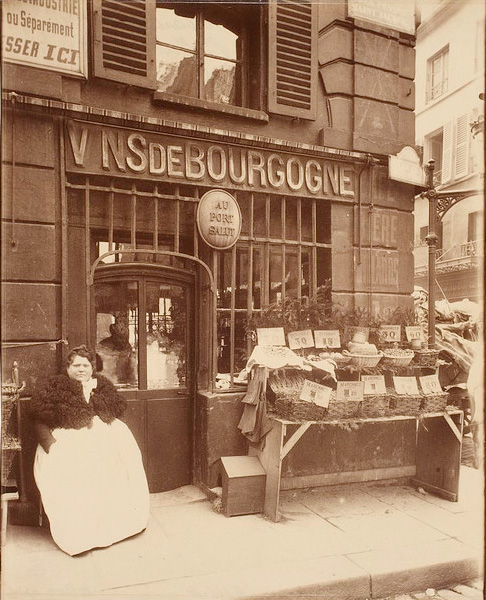
Considered the father of the genre, Atget initially aspired to be an actor and painter but found little success. At the age of forty, he decided to dedicate himself to photography, providing material for Parisian painters and eventually became one of the most renowned photographers.
Atget captured everyday life in Paris at the beginning of the 20th century, focusing on the urban areas, trades, and lifestyles that were disappearing. Monuments, parks, street vendors, prostitutes, and shop windows were some of his most recurring themes in a collection that grew to over 4,000 images. His shots were direct and intuitives.
Henri Cartier-Bresson
1908-2004
 .
.
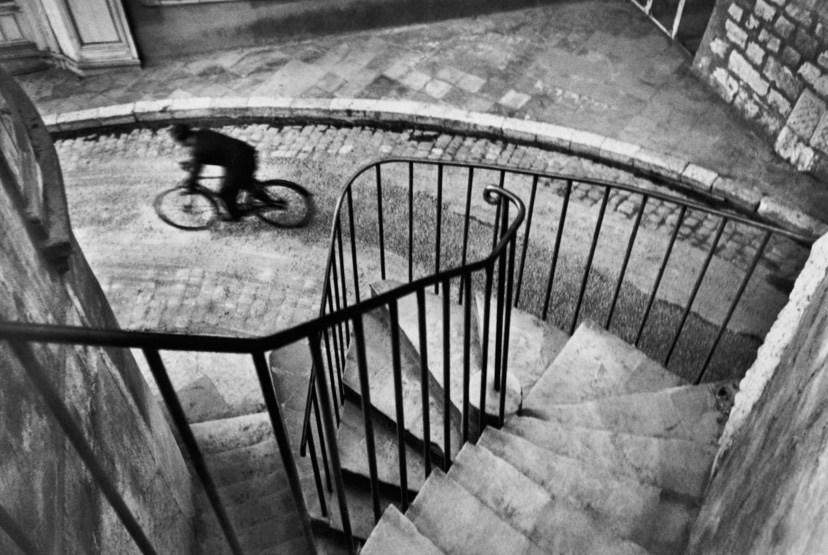
He hunted photographs on the fly on the street. A legendary figure in 20th-century photography, he coined the term “the decisive moment,” when subject, timing, and composition converge into a transcendent whole. Aligning the head, the eye, and the heart at the precise moment when the climax of an action unfolds Henri Cartier-Bresson´s concept of the decisive moment continues to inspire generations of photographers who seek spontaneity in public places.
Robert Frank
1924
 .
.
One of the most notable and influential photographers, he was a traveler and an admirer of all things human. A nomad, rebel, and creator, he photographed the world as it truly is, often focusing on the harsher, less poetic aspects of reality.
In his landmark work Les Américains, Robert Frank presented Americans from his own personal, subjective, and free perspective. His work was initially rejected as offensive to the nation. Robert Frank was not interested in beauty but in realism, no matter how unpleasant or ordinary.
In the 1950s, Robert Frank left his job as a photographer in New York to travel through Europe with his family. During the summer of 1952, he arrived in Valencia, a humble and somber place still enduring the hardships of the post-war period. It was here that his daughter was born.
The images he captured in Valencia, portraying the daily life of a fishing village, reflect the humanity of the moment, as he himself described.
Helen Levitt
1913-2009
 .
.
New York was her city. Pedestrians and children were the protagonists of her snapshots. To speak of Helen Levitt´s work is to evoke her images of childhood. A photographer with a poetic sensibility, her images capture memorable, meaningful, and beautifully evocative moments.
Saul Leiter
1923-2013
 .
.
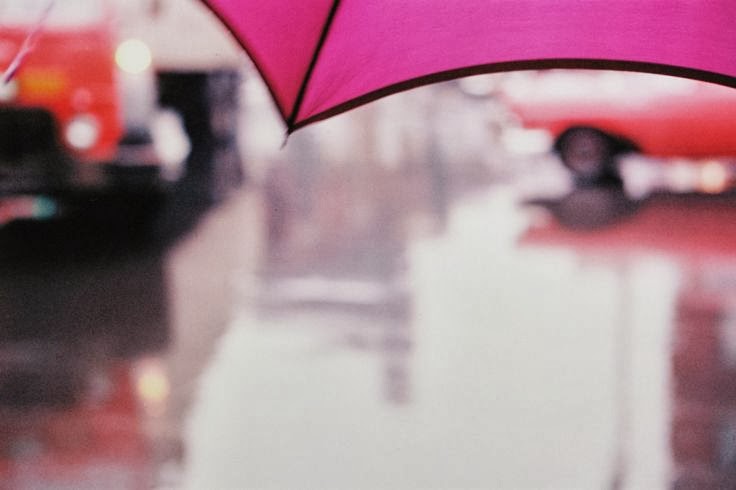
He was a painter before becoming a photographer, which is why he used the street as a palette. With an enviable ability to find beauty in chaos and a search for geometry and composition, Saul Leiter creates an irresistible, colorful, and captivating body of work that invites you to dream right from the street.
Vivian Maier
1926-2009
 .
.
Her work appeared at an auction when she had already died. Vivian Maier, a nanny by profession, always had a camera around her neck, through which she was able to express her unique aesthetic vision. The documentary Finding Vivian Maier offers a glimpse into her anonymous life, and the official website where her snapshots are compiled is a true treasure for street photography enthusiasts.
Garry Winogrand
1928-1984
 .
.
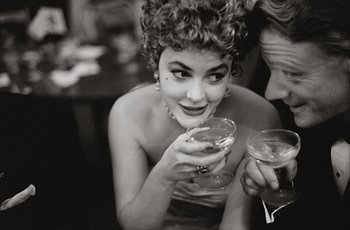
Winogrand never looked for a beautiful photo. He anticipated the event and took the photograph quickly. His camera was often tilted when framing shots, resulting in photographs with a crooked horizon that created a sense of disorientation for the viewer.
Winograd took the streets by storm. He was fascinated by working in public spaces and toured zoos, parks, streets, and avenues. Like most photographers, he initially took photos from a distance but soon moved closer to become part of the action, unafraid of being noticed.
William Klein
1928
 .
.
Initially a painter and later a photographer, he blended painting with photographic images. He revolutionized the fashion photography genre by bringing Vogue models to the streets. He was a pioneer in showing non-academic images that broke established canons.
William Klein´s photographs are full of energy and movement, something never seen before. Each photo was an experiment. He often used mirrors, creating a complexity and beauty never seen before. In his street photography, anything goes, with no taboos: blurred images, high contrasts, crooked frames, and accidental shots... all of which give his work a distinctly experimental and artistic approach.
Elliot Erwitt
1928
 .
.
With a sarcastic and satirical style, Elliott Erwitt´s street photographs are full of adventure and humor. A seeker of the ironic decisive moment. His Dogs series is particularly interesting, shot from ground level, where the lives of people and dogs intertwine from various perspectives.
Keep researching each of the photographers we mentioned here; their work is full of surprises. Enjoy and grow your visual culture; your photographs will get better and better.
If you want to learn more about photography and personal development, I invite you to learn more about:

Cómo citar este artículo
Al citar, reconoces el trabajo original, evitas problemas de plagio y permites acceder a las fuentes originales para obtener más información o verificar datos. Asegúrate siempre de dar crédito y de citar de forma adecuada.
How to cite this article
By citing an article, you acknowledge the original work, avoid plagiarism issues, and allow access to the original sources for further information or data verification. Make sure to always give credit and cite appropriately.
Psychologist and teacher.With over two decades of expertise, Amparo studies and supports individuals who use photography to enhance their creativity and facilitate their personal growth. Through her work over the years, she has provided valuable information via articles, masterclasses, and courses covering topics that intersect photography and psychology and embarked on personal photography projects. In collaboration with Javier Sancho Boils, she has created ANDANAfoto. Since 2015, they have offered photography workshops with various organizations and platforms.She is the author of the books “Fotografía para crecer. Guía práctica para enseñar fotografía en la infancia y adolescencia (Photography to Grow: A Practical Guide for Teaching Photography to Children and Adolescents)” and “Descubre la fotografía. Mirar, crear y disfrutar desde la infancia (Discover Photography: Look, Enjoy, and Create from your Childhood)”.