

Photography and Clinical Psychology: From Self-Knowledge to Professional Practice
Fotografía y psicología clínica: ¿puede utilizarse la fotografía dentro de una intervención psicológica?

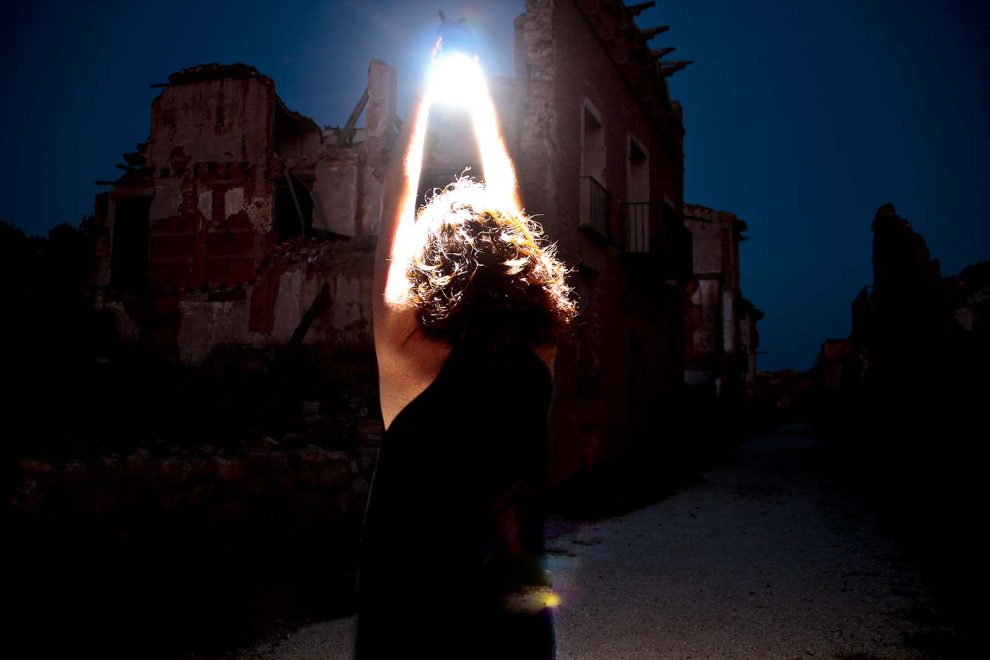
Fotografía y psicología clínica: ¿puede utilizarse la fotografía dentro de una intervención psicológica?
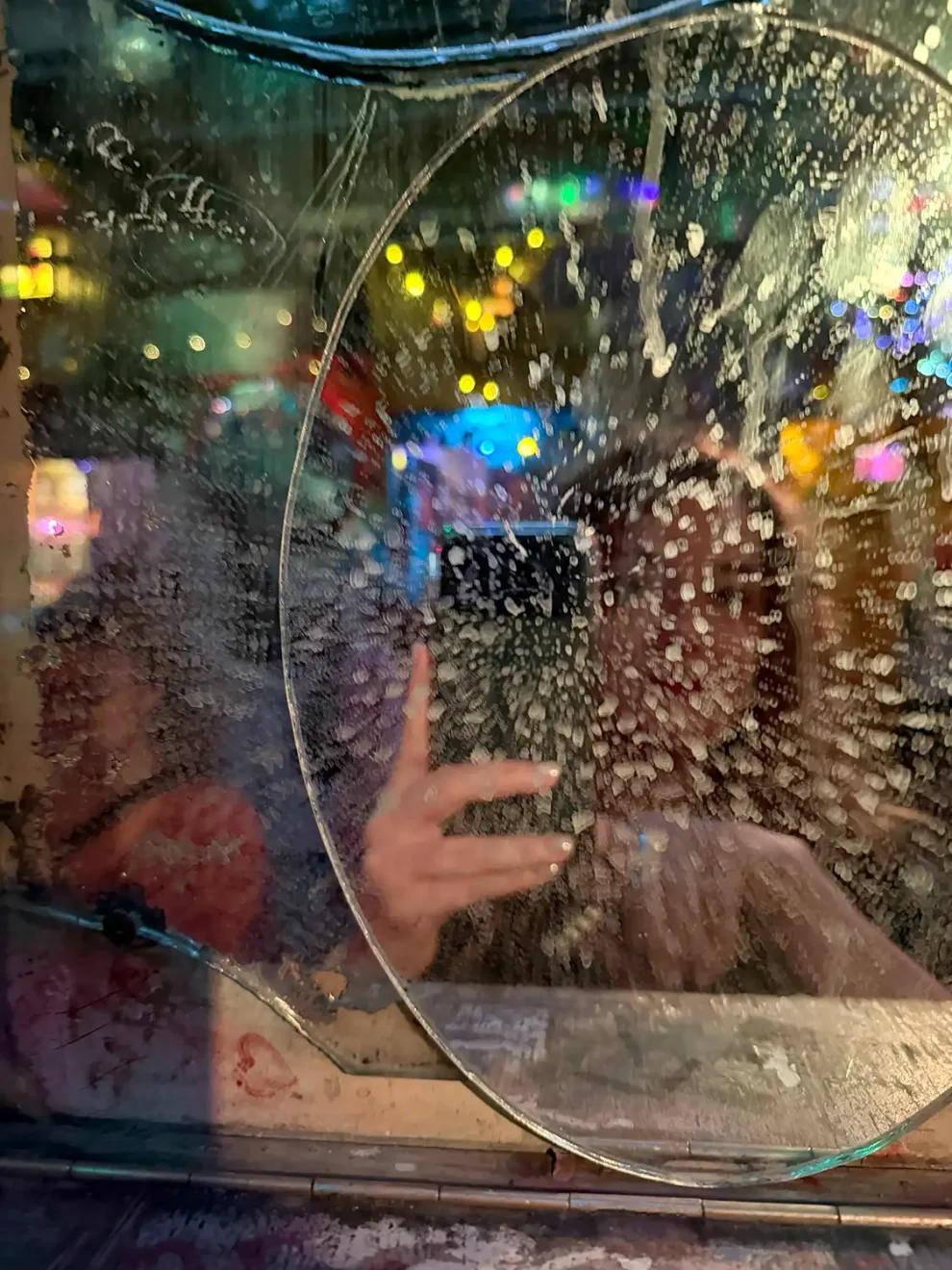
There are people who continue to live within us even when they are no longer present: our mother, father, a sibling, a partner, or a close friend. Someone we loved deeply. Even someone with whom we had a difficult relationship.
At the same time, there is increasing evidence that photography is not merely a way of recording reality. It can also become a tool for observing ourselves, understanding our experiences, and developing new ways of relating to our lives.
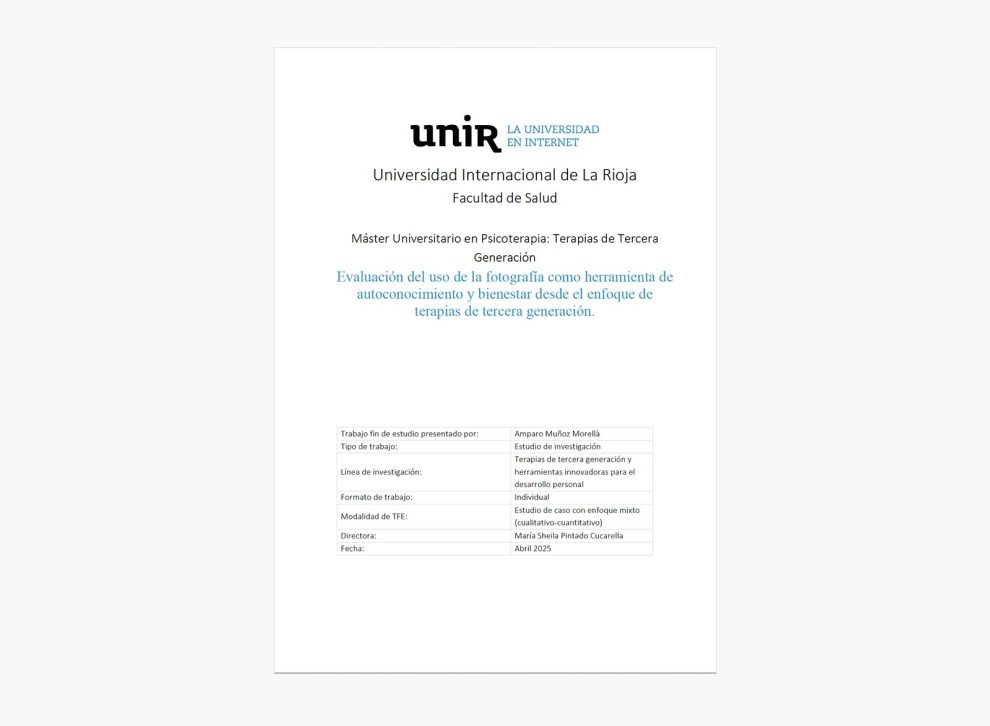
Today, I can affirm that the work ANDANA has developed over the years through the “Photography to Get to Know Yourself” Programme is supported by academic and scientific evidence.
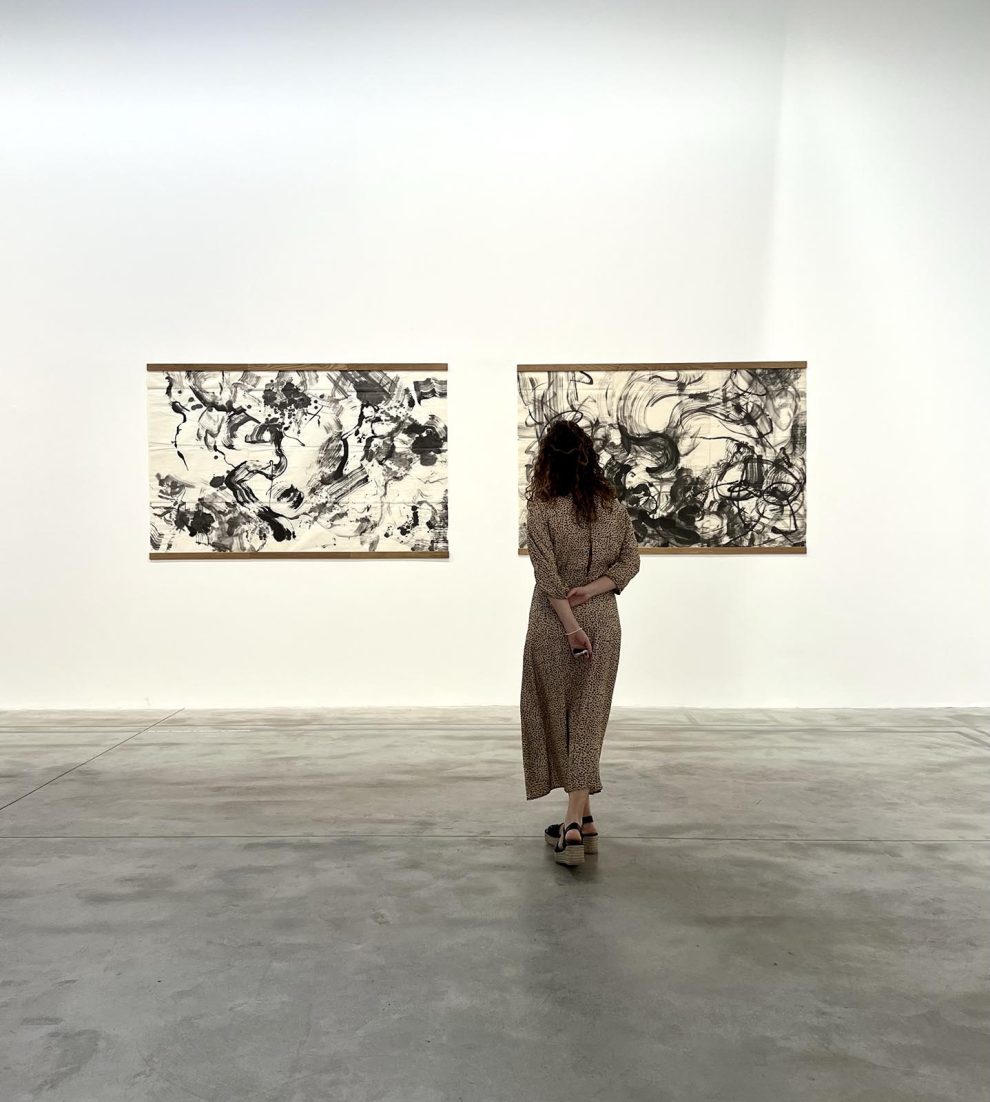
Now, a newly published study confirms what many people already knew. Photographs have a transformative power.
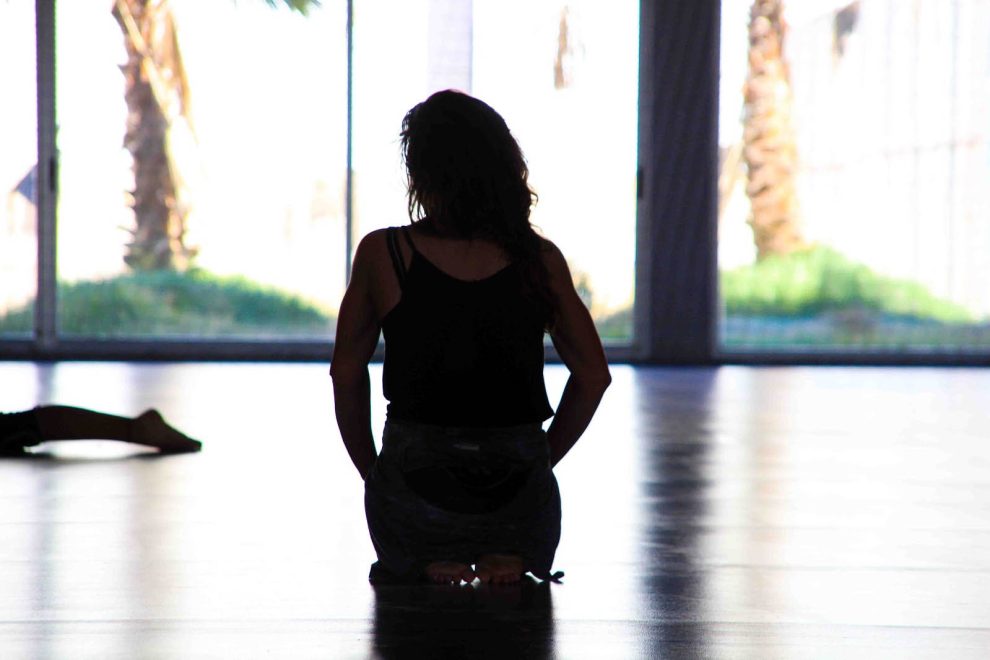
There is something we know, even if we can’t always explain it: images affect us. A photograph can move us, unsettle us, or even stir something deep within without us fully understanding why.
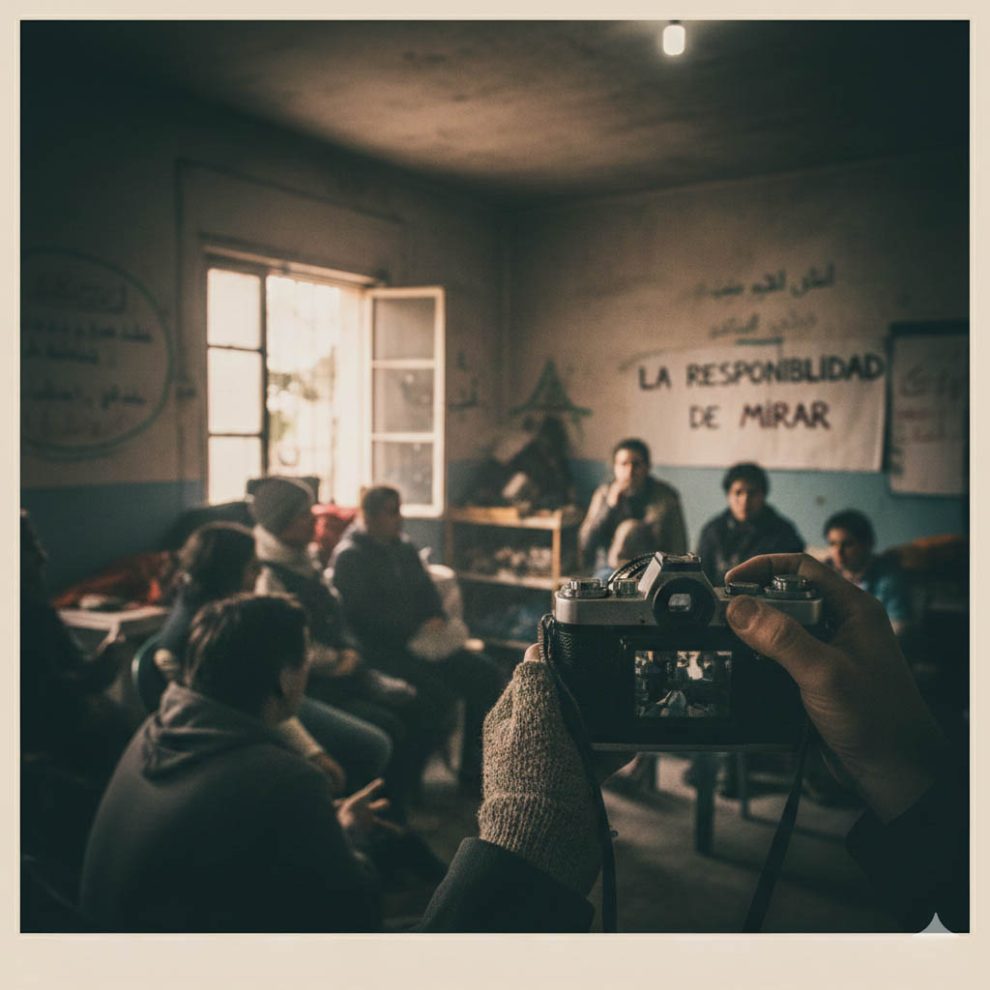
Documentary photography is a powerful tool for social representation, but it also raises ethical dilemmas related to the gaze, vulnerability, and the construction of narratives about others. From a psychological perspective, this article explores the cognitive, emotional, and relational processes involved in the act of photographing, with the aim of encouraging more respectful, conscious, and collaborative practices in today’s visual culture.
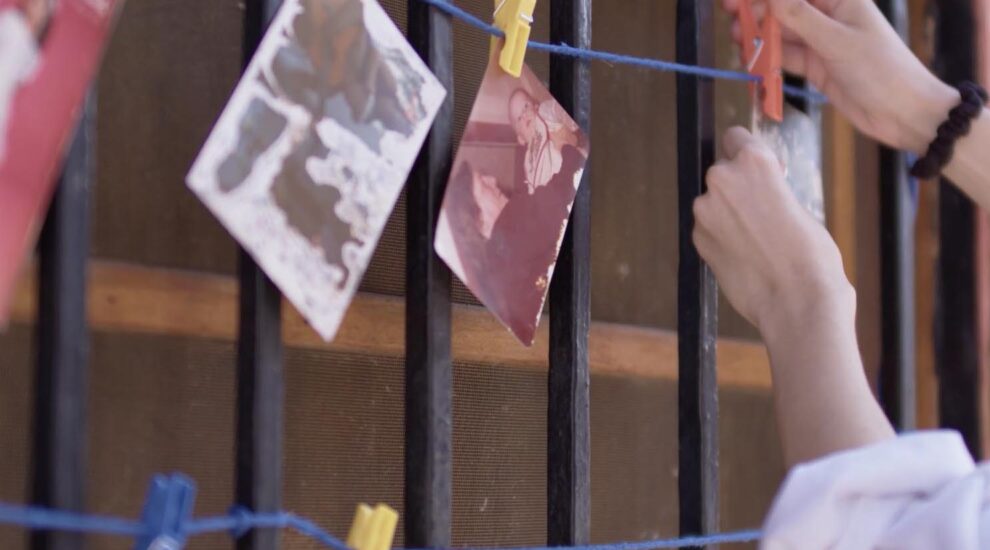
The power of images to sustain life when what we believe to be safe collapses, and an invitation to value the family album as essential emotional heritage—both individually and collectively.
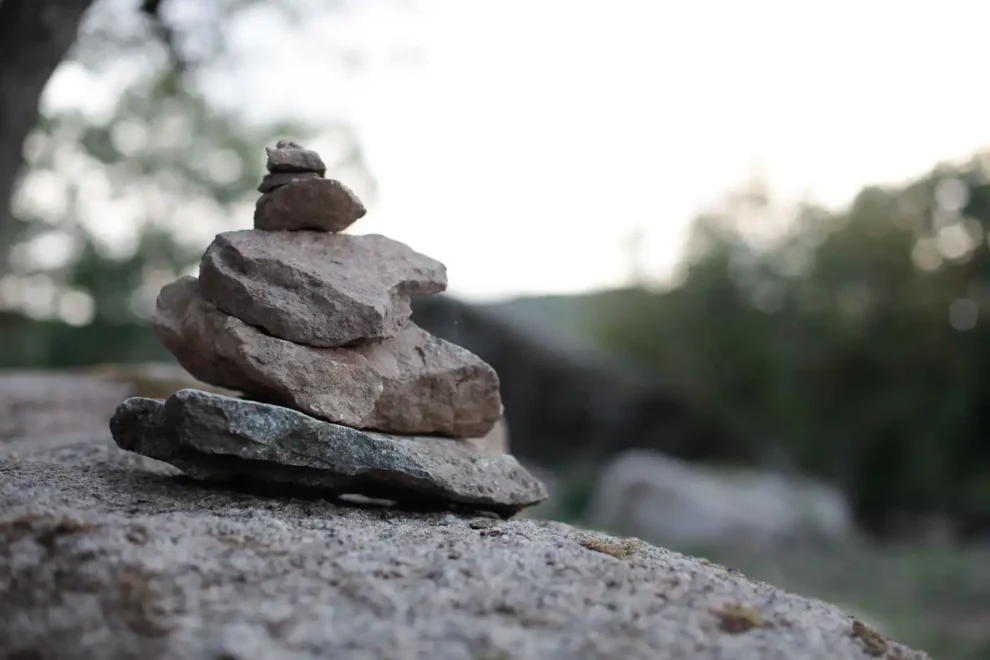
According to the 2024 Mental Health Atlas by the World Health Organization (WHO), more than one billion people worldwide currently suffer from a mental health disorder, with anxiety and depression being the most common.
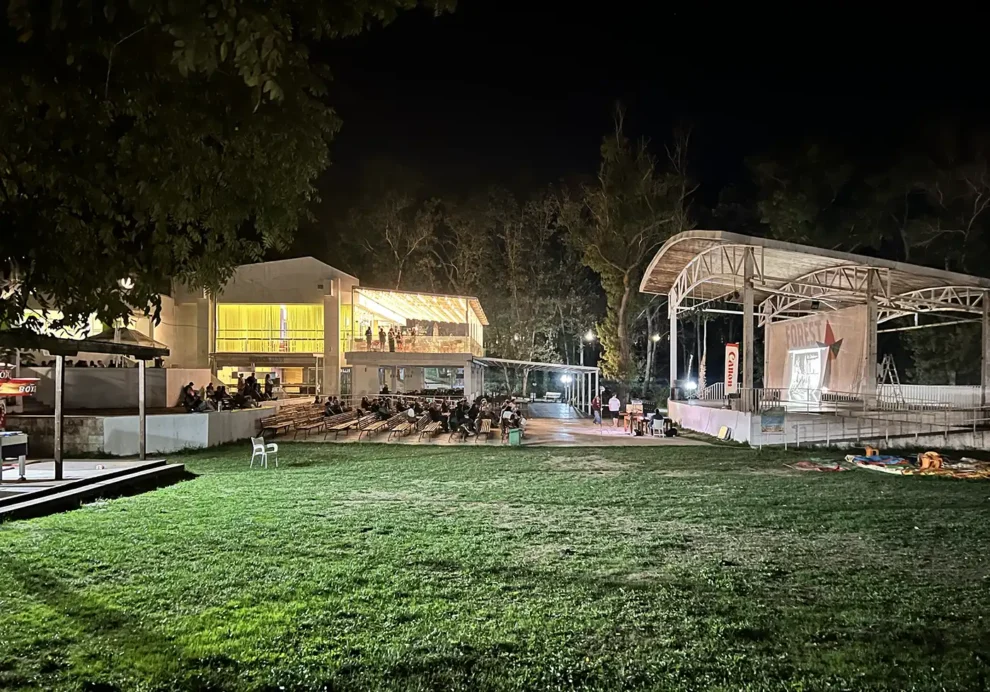
Sometimes life offers us experiences that leave a mark not only in our memory, but also on our skin, in our breath, and in the way we look at the world. That was our experience at Photovacation Bulgaria 2025, a unique festival where photography, creativity, and community intertwined in a special space by the Black Sea.
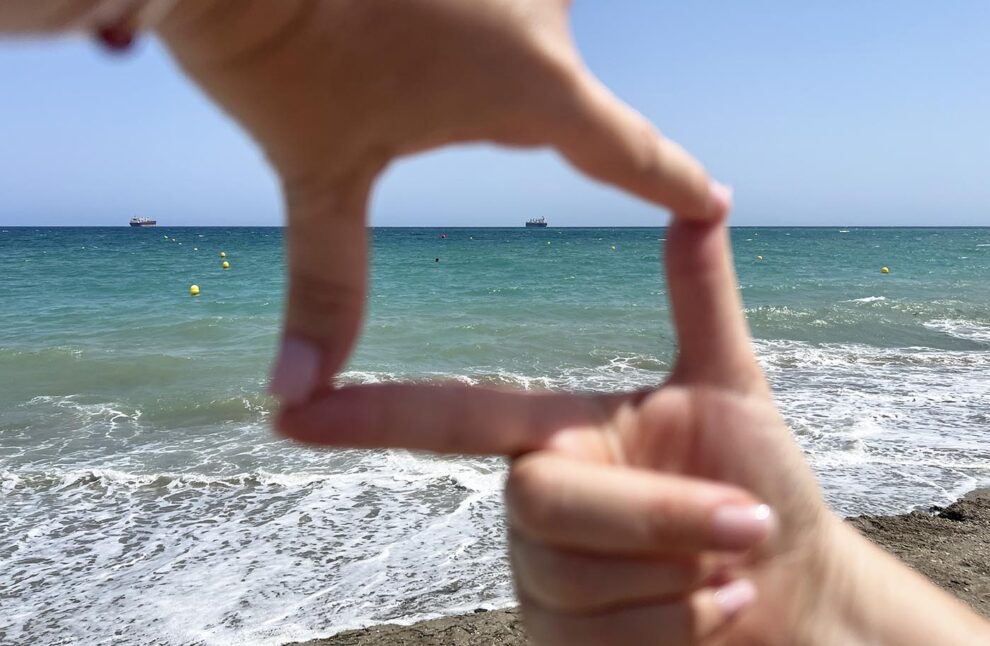
On the beauty of looking, walking through darkness, and dancing with the unexpected.
Photography can become a powerful tool for rebuilding personal, emotional, and social memory.
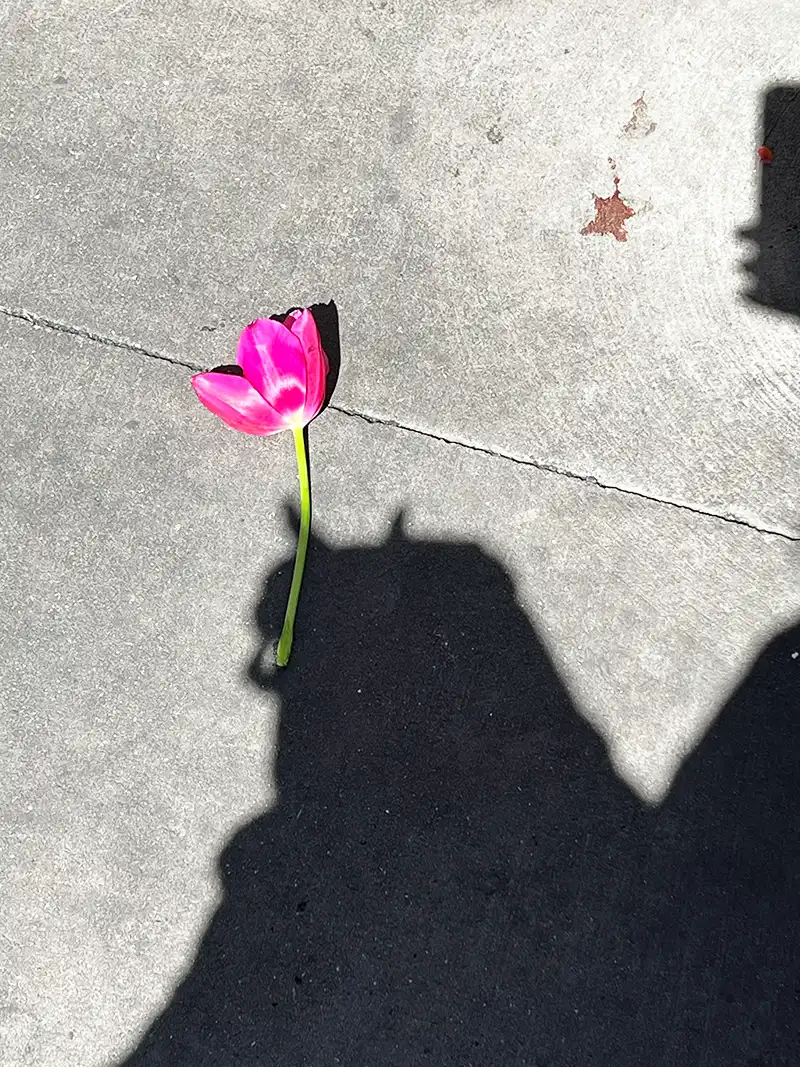
In a world full of constant rushing, obligations, and stimuli, finding a moment of calm is a revolutionary act.
Modern society pushes us to stay constantly engaged in digital tasks and connections, yet we often remain disconnected from our surroundings and inner world. In the face of this reality, practicing mindfulness emerges as a powerful tool for returning to what’s essential: the here and now.
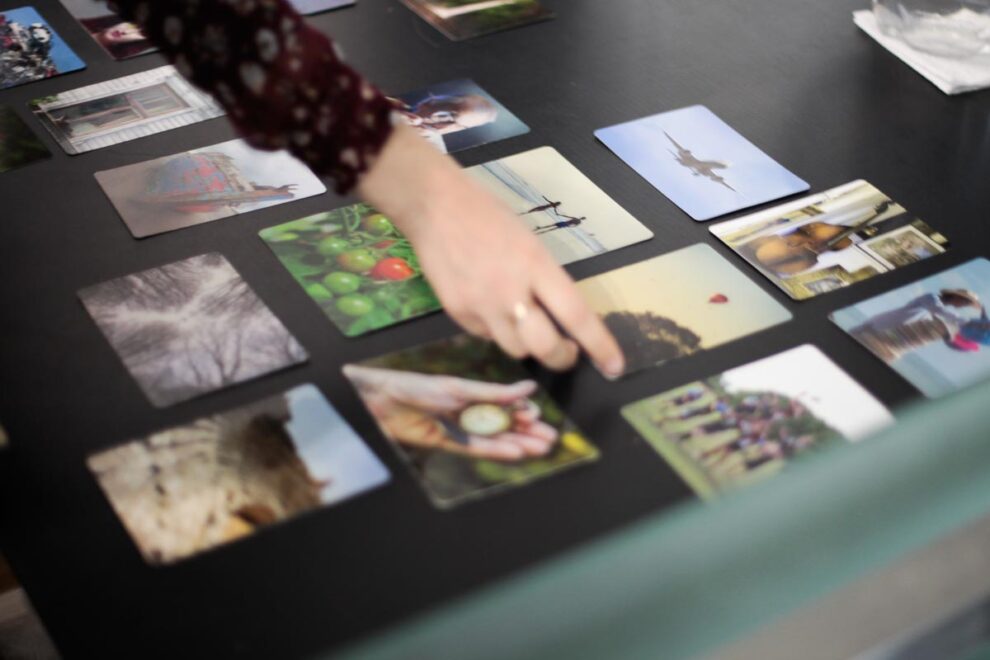
Have you ever wondered how a single image can reveal more about you than you might think? Our inner world is rich with symbols, memories, and emotions that often elude verbal expression. Yet, images possess a unique power—they can unlock doors to our unconscious, helping us connect with our deepest selves.
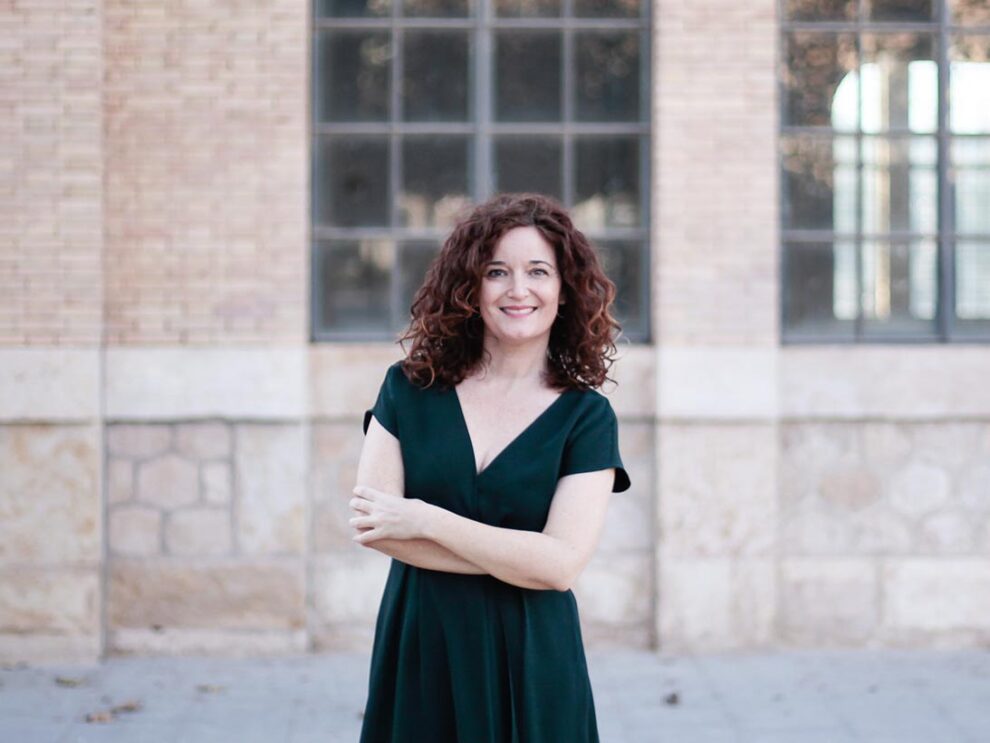
ANDANA was born from a story of love and connection, not only between Javier and me but also with photography and the transformative potential of art.

A self-portrait in therapeutic photography is more than just a visual representation; it serves as a powerful tool for self-knowledge and exploring emotions and identity.
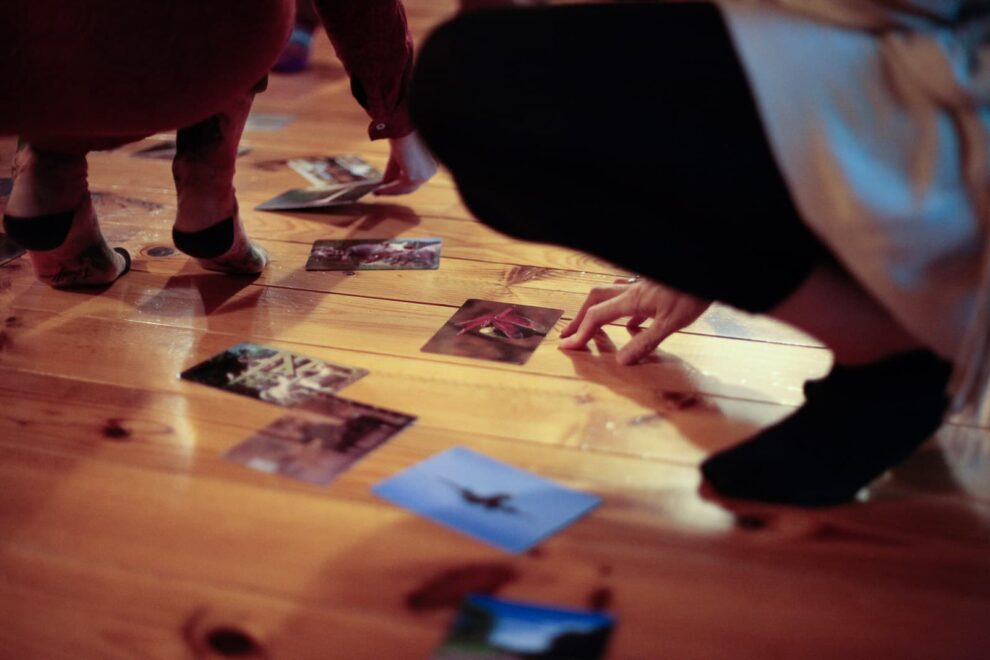
Photovoice is a technique that blends photography, storytelling, and community conversations to empower individuals and communities. This method allows them to document and reflect on their lives and environments in a visual and accessible way.
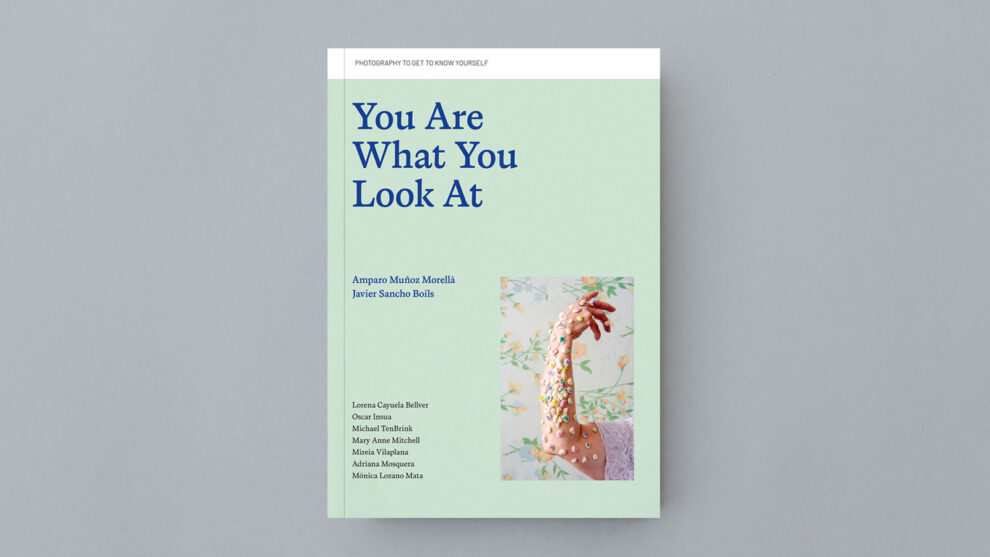
On April 12, 2024, the book You Are What You Look At was released, the first in the Photography to Get to Know Yourself collection, a project aimed at raising awareness about the transformative benefits of photography.
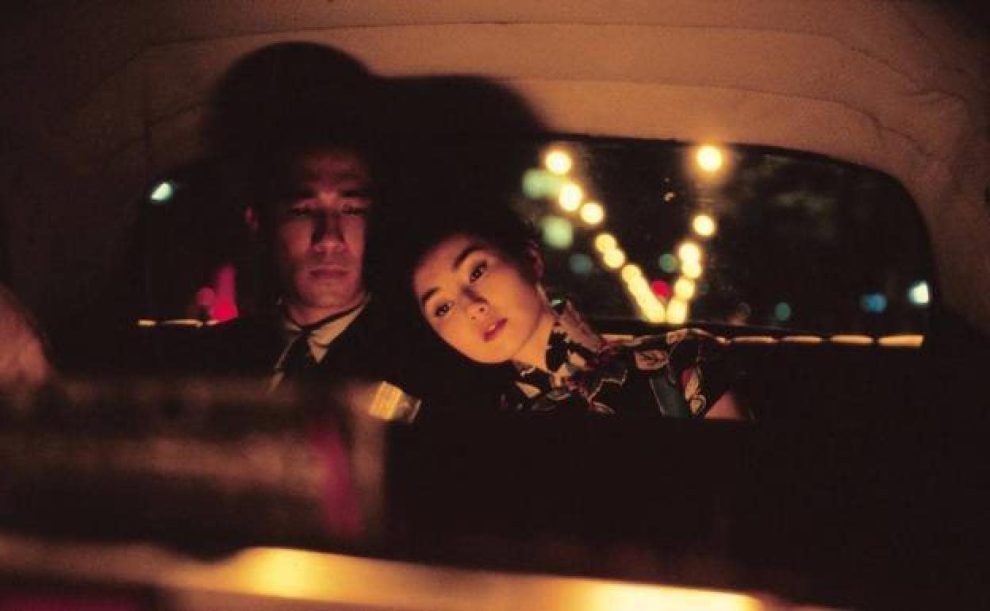
By understanding how our brain processes images, we can use this ability to enrich our emotional lives, foster greater self-knowledge, and –why not?– take better photographs.
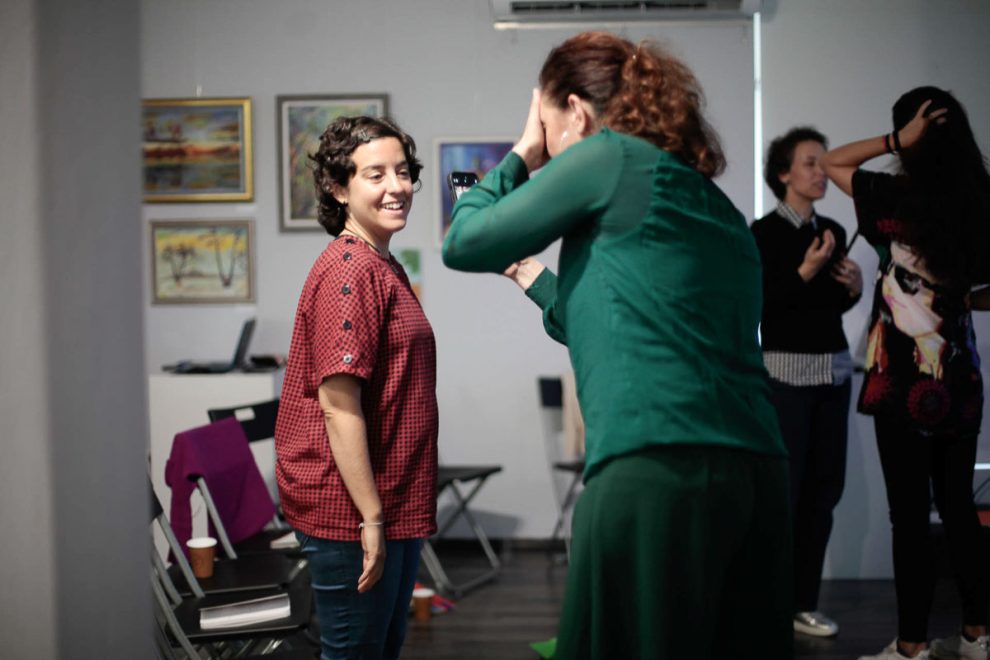
We are thrilled with the experience we had in Bulgaria, where we led two workshops over two days using contemporary photography as a tool for self-knowledge.