Photography and Psychology: Exploring the Links Between Images and Our Deepest Emotions.
Psychology and photography are deeply intertwined; they look at each other and listen, creating effective, adaptable frameworks with hopeful results.

Psychology and photography are deeply intertwined; they look at each other and listen, creating effective, adaptable frameworks with hopeful results.
We have added a new expert to the ANDANAfoto team. Meet Mira, an Artificial Intelligence specializing in photography and personal development training.
To interpret an image, we must understand the culture that supports it, the historical moment to which it belongs, and the encompassing impact of personal beliefs. An image does not mean the same thing to everyone because its interpretation can vary across different historical periods and cultures.
Pride, gluttony, wrath, greed, envy, lust, and sloth—these are the sins we’ve learned about. But in the 21st century, we wonder if we are sinning or if the concept of sin has become outdated and forgotten. Sin was associated with the existence of God, but it also reflects the relationship among humans and establishes the impact of our behavior on ourselves and others.
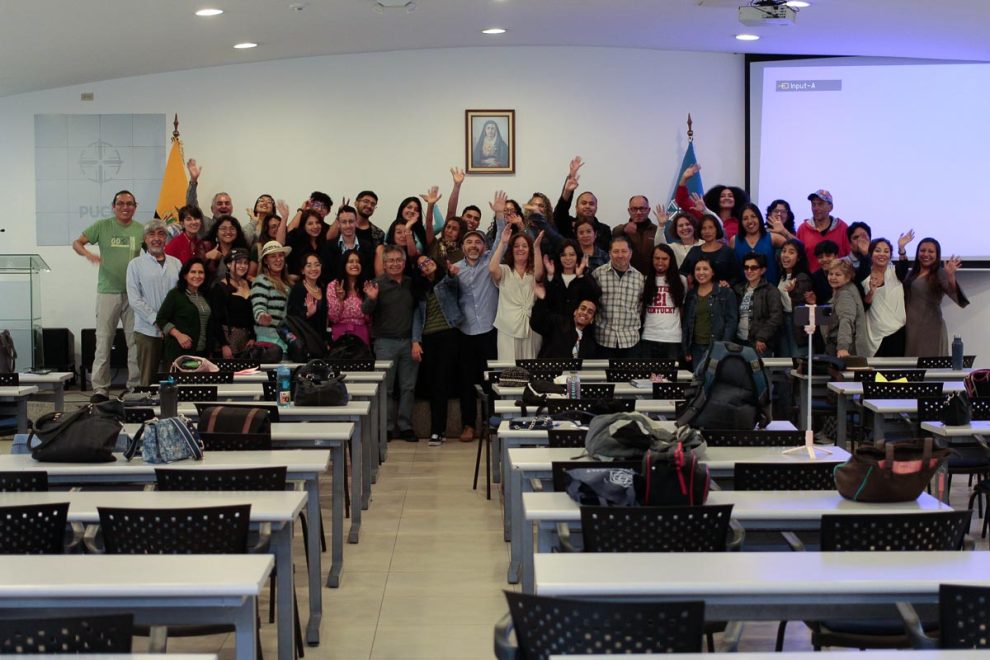
We extend our heartfelt gratitude to the mediation team for welcoming us again this year and to all those who participated in the experience…
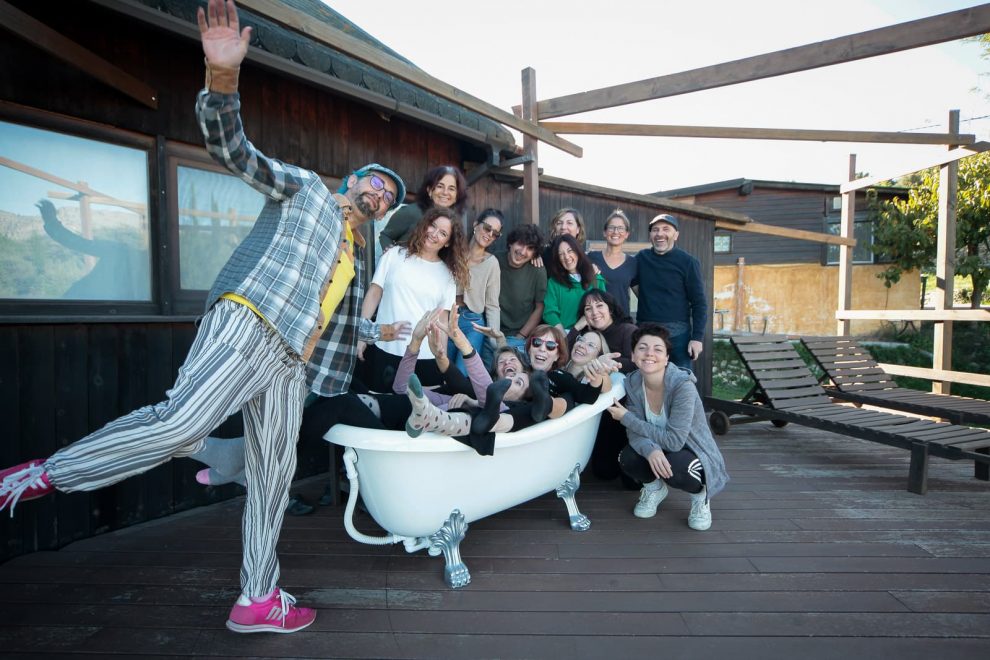
Three days spent together to awaken creativity, curiosity for self-discovery, and inspiration to embark on a personal photography project.
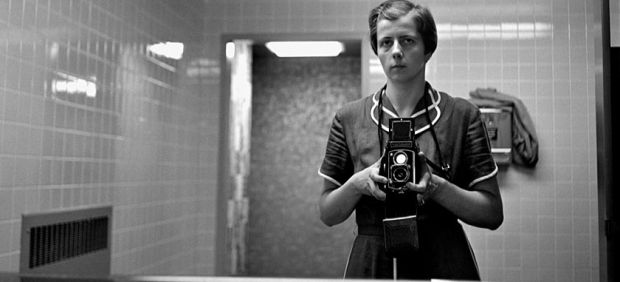
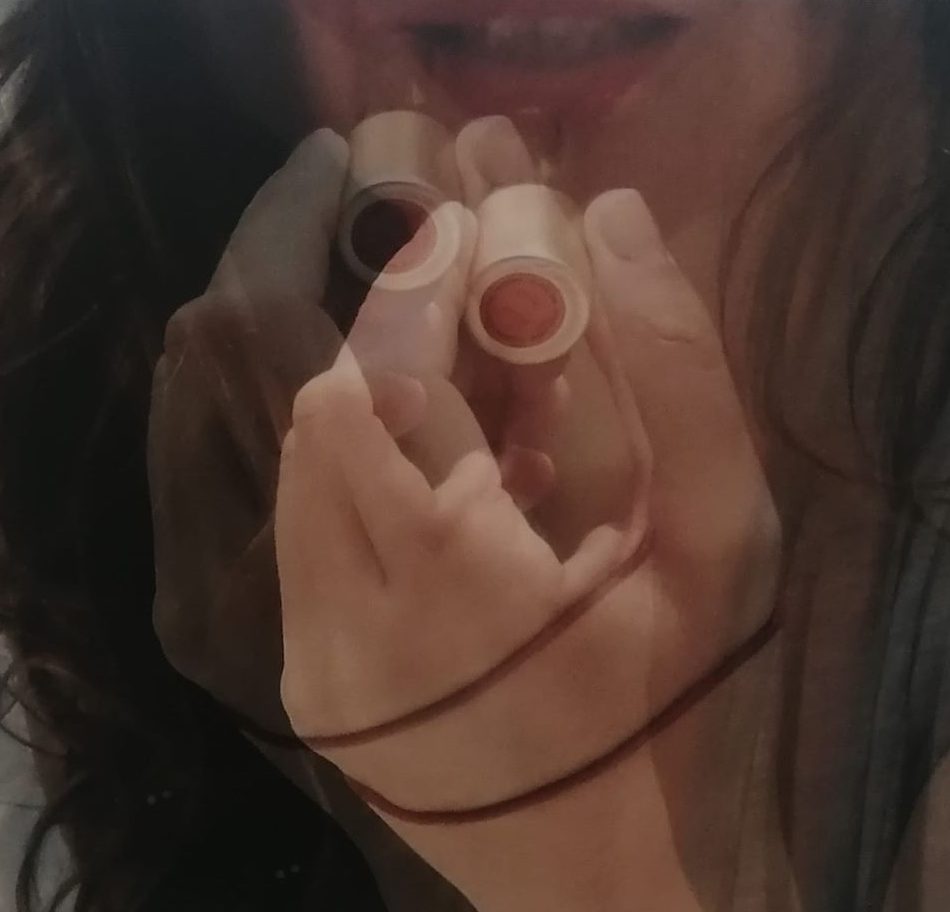
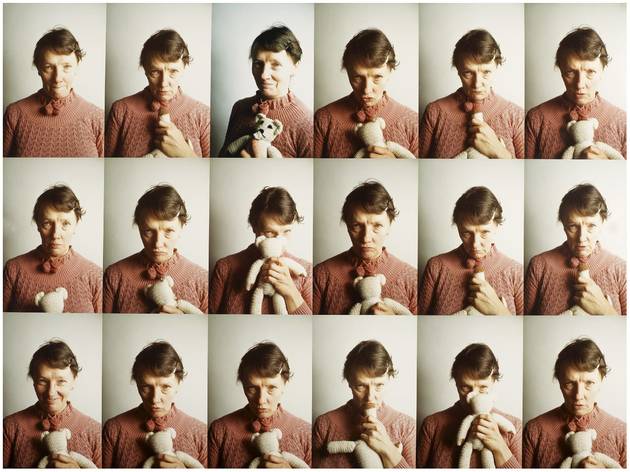
Self-portraits are an instrument for self-knowledge, allowing individuals to reveal their bodies privately or publicly. They also serve to express emotions and convey one’s intimate essence. The artist and the model are one.
A self-portrait can be an instrument to get to know oneself, a way of exposing our body but it also manifests the feeling and the intimate way of being. A self-portrait is a map of your intimate world, a statement of intentions, a testimony about who you are and how you show yourself.
If we portray the world we live in using images, if we think in images, or if the words we use relate to what we picture in our minds, is it possible that these images actually shape our reality? Which comes first: the image or the word?
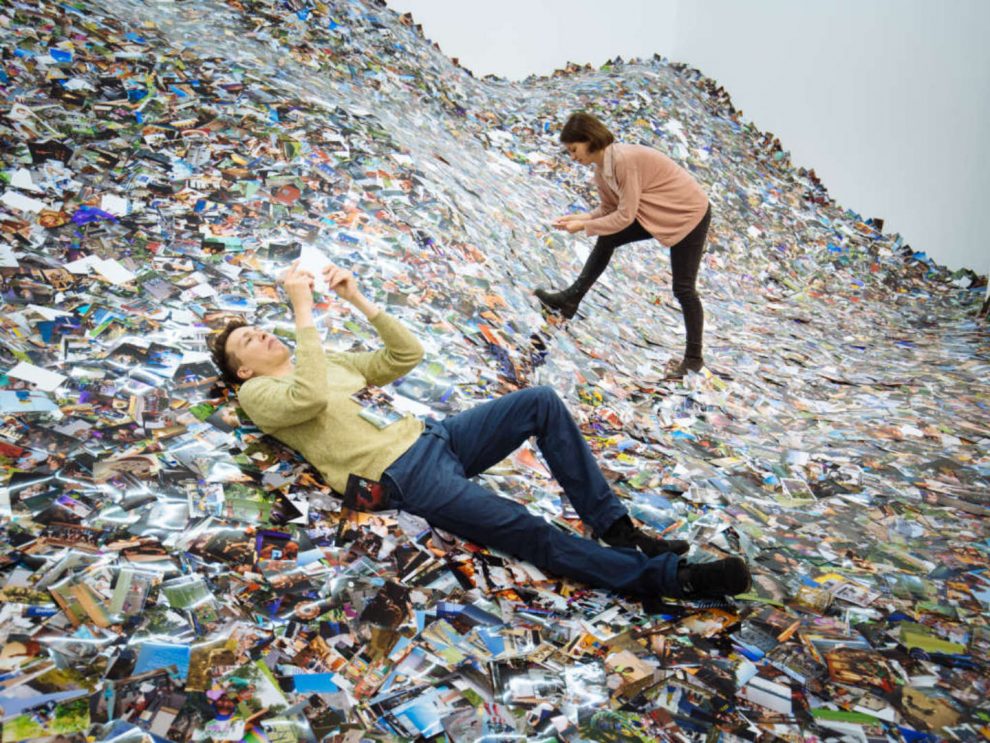
Today, more than ever in history, we have the possibility to take photographs at any time. We create images quickly and easily. We create images because we can.
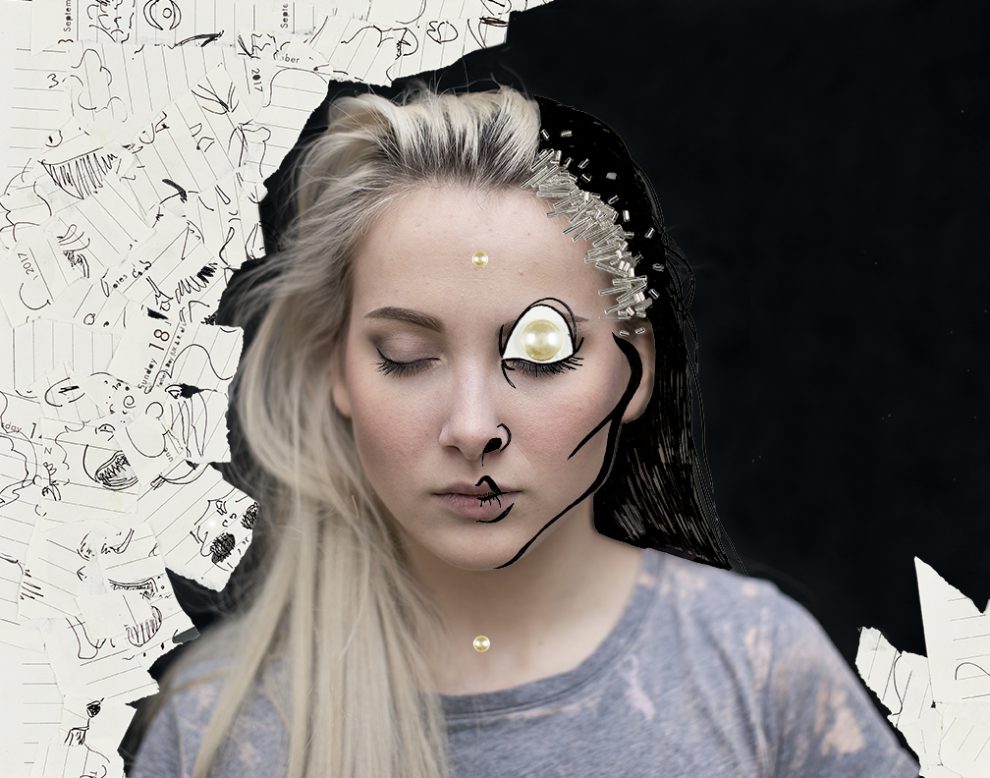
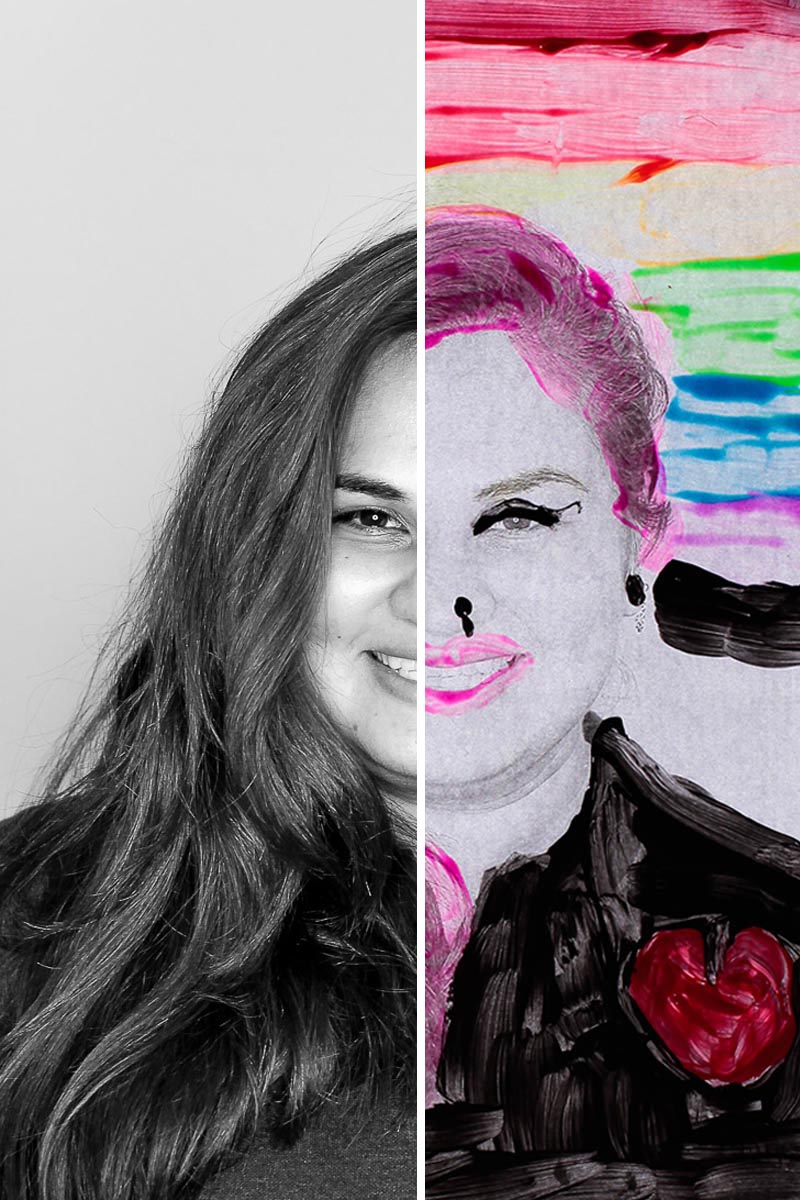
“Paint Your Mind” is the name of one of the exercises we conducted last November at ASPRONA, the Valencian Association for People with Intellectual Disabilities, as part of the Dins Project: “Photography Workshop as an Empowerment Tool for Social Inclusion.”
Each individual directs their gaze toward what captivates and interests them. No school can instruct you on what should capture your interest or where your gaze should be directed. Based on this, I suggest exploring the different types of gazes through a simple classification that may resonate with your current perspective in the present moment. We will define four gaze types: contemplative, expressionist, documentary, and conceptual.
Photography, as a therapeutic tool, aims to enhance the health, well-being, and personal growth of individuals through the utilization or creation of images.
Photography, since its invention, has changed our lives in every way, what we know, how we represent ourselves, what we discover and document.
Can images change the world we live in?
This great question can haunt those who make documentary photography, those who find spaces, places and communities in the world that need help or global support, and those who say that what is happening can’t happen in an ethical and civilized society.
Inma García Peris is an artist who narrates from her own biography, an identity shared with other forms of diversity, a fundamental narrative for understanding her work.
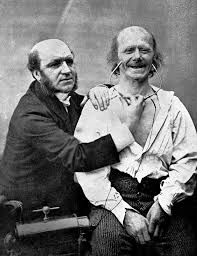
In this second part, we jump to the 20th century. Photography as a therapeutic tool has been used and researched by many doctors and psychiatrists through different techniques and both individual and group resources
The use of photography as a therapeutic tool was explored and investigated by many doctors and psychiatrists with different individual and group techniques and resources.
This exhibition talks about the need to break the silence, to give light and make visible the reality of people in the process of integration, anonymous artists or ordinary people that we all are. The images show a normalizing and integrating nuance, an understanding of reality from the perspective of its own protagonists.
We are firmly convinced that photography can bring about significant change. So, when psychologist Concha Sánchez invited us to collaborate on integration and inclusion activities for minors, we didn’t hesitate—despite it being August, we knew it would be worth it.