
Therapeutic Photography and Self-Knowledge
Photography, as a therapeutic tool, aims to enhance the health, well-being, and personal growth of individuals through the utilization or creation of images.

Photography, as a therapeutic tool, aims to enhance the health, well-being, and personal growth of individuals through the utilization or creation of images.
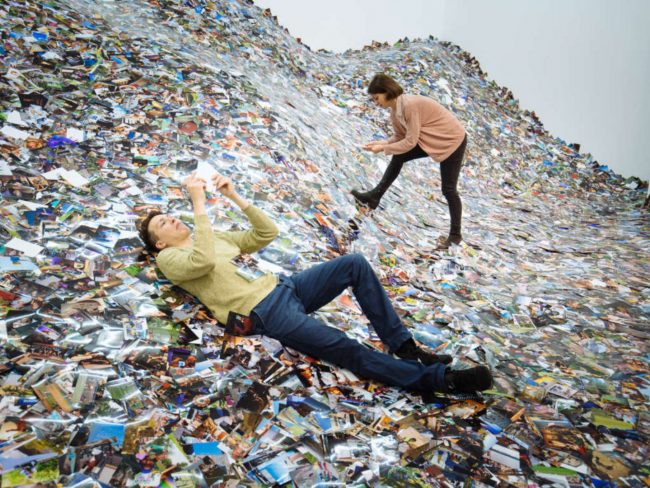
Today, more than ever in history, we have the possibility to take pictures at any time. We create images quickly and easily. We create images because we can.
Photography, since its invention, has changed our lives in every way, what we know, how we represent ourselves, what we discover and document.
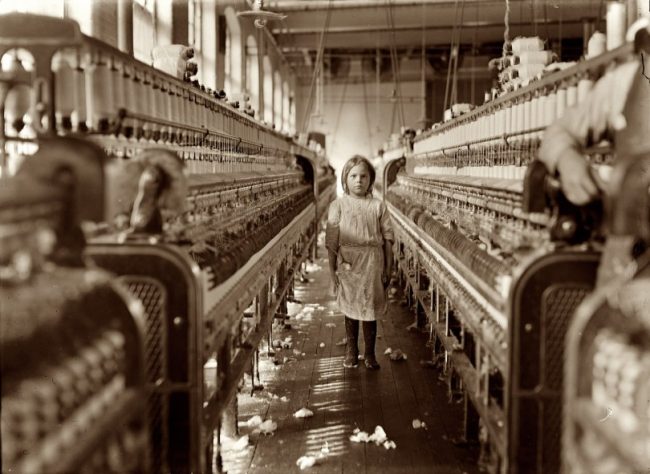
Can images change the world we live in?
This great question can haunt those who make documentary photography, those who find spaces, places and communities in the world that need help or global support, and those who say that what is happening can’t happen in an ethical and civilized society.
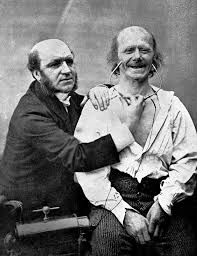
The use of photography as a therapeutic tool was explored and investigated by many doctors and psychiatrists with different individual and group techniques and resources.
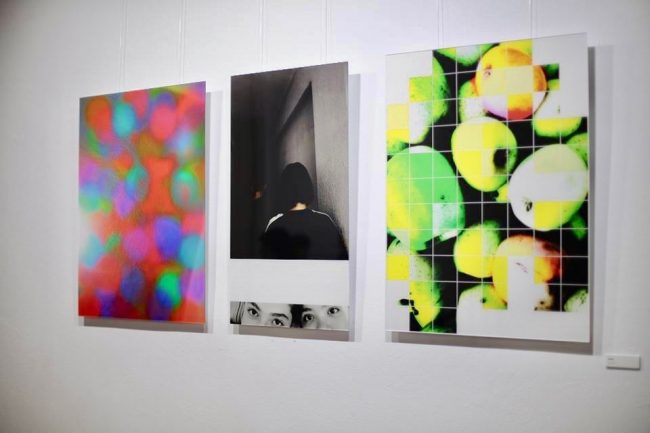
This exhibition talks about the need to break the silence, to give light and make visible the reality of people in the process of integration, anonymous artists or ordinary people that we all are. The images show a normalizing and integrating nuance, an understanding of reality from the perspective of its own protagonists.
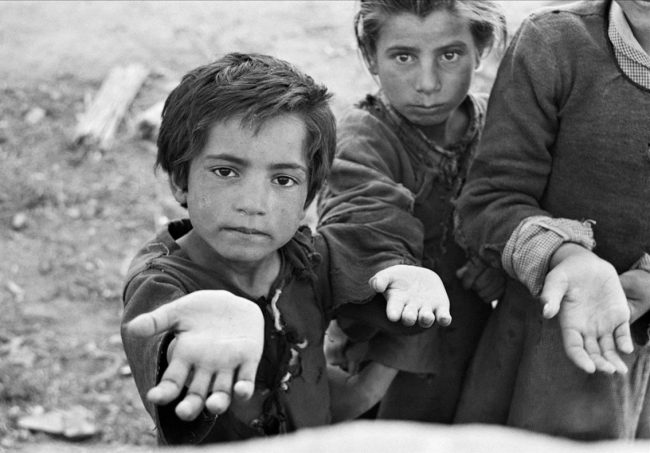
Perhaps this exercise of asking allows us to admire people who persist in pursuing what they desire, even when it may seem impossible at times.Ask. It’s time to start your project.
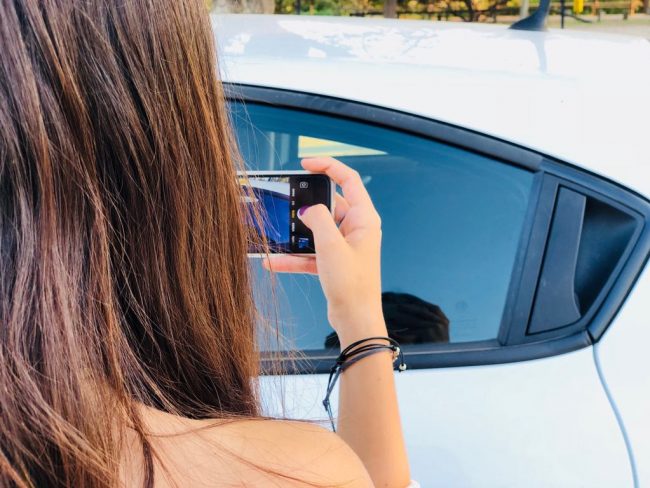
We are firmly convinced that photography can bring about significant change. So, when psychologist Concha Sánchez invited us to collaborate on integration and inclusion activities for minors, we didn’t hesitate—despite it being August, we knew it would be worth it.
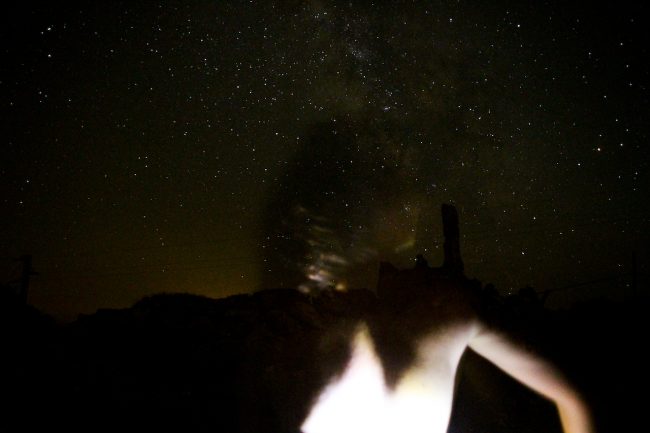
Have you ever thought about how you are? Who are you? If you are where you want to be? Typically, we don’t reflect on how we are, what makes us happy or brightens our days, unless something breaks our stability.
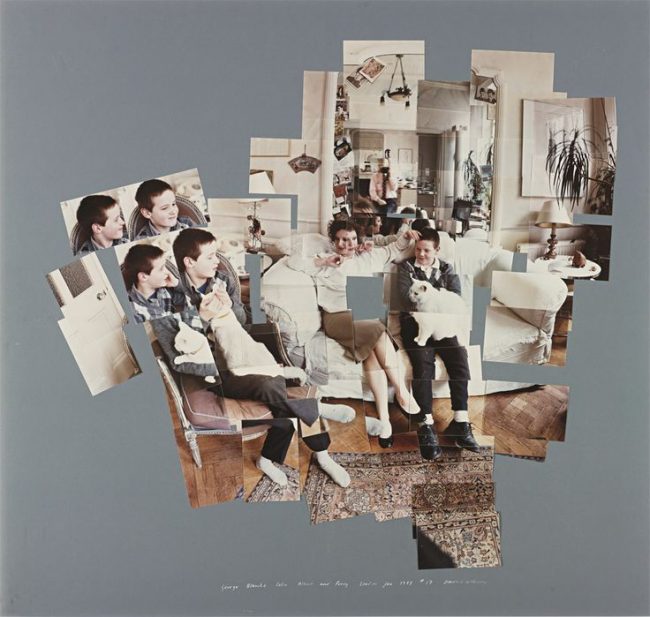
The evocative power of images has been widely studied. Through them, forgotten memories and stories, which are part of both individual and collective memory, can be verbalized and even reclaimed from oblivion. In this sense, the photographic image is an effective tool for promoting historical discourse and preserving personal memory.