

Photography and Clinical Psychology: From Self-Knowledge to Professional Practice
Fotografía y psicología clínica: ¿puede utilizarse la fotografía dentro de una intervención psicológica?

Fotografía y psicología clínica: ¿puede utilizarse la fotografía dentro de una intervención psicológica?
There are people who continue to live within us even when they are no longer present: our mother, father, a sibling, a partner, or a close friend. Someone we loved deeply. Even someone with whom we had a difficult relationship.
At the same time, there is increasing evidence that photography is not merely a way of recording reality. It can also become a tool for observing ourselves, understanding our experiences, and developing new ways of relating to our lives.
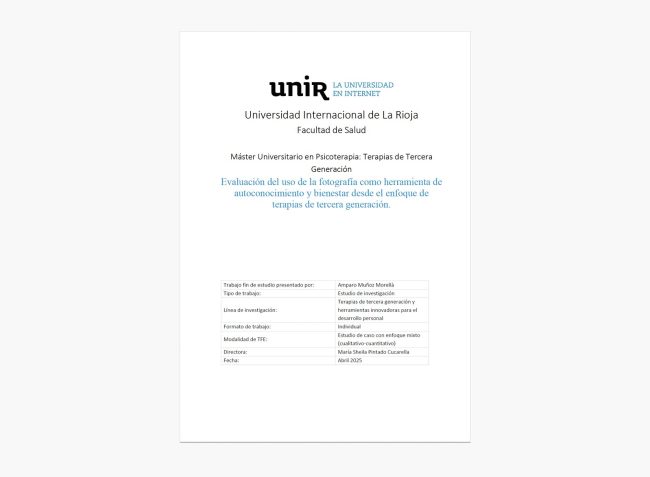
Today, I can affirm that the work ANDANA has developed over the years through the “Photography to Get to Know Yourself” Programme is supported by academic and scientific evidence.
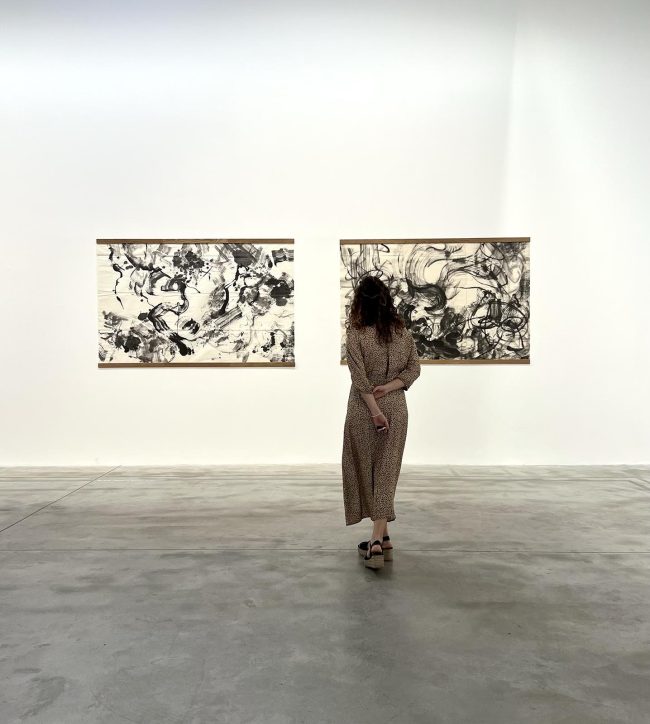
Now, a newly published study confirms what many people already knew. Photographs have a transformative power.
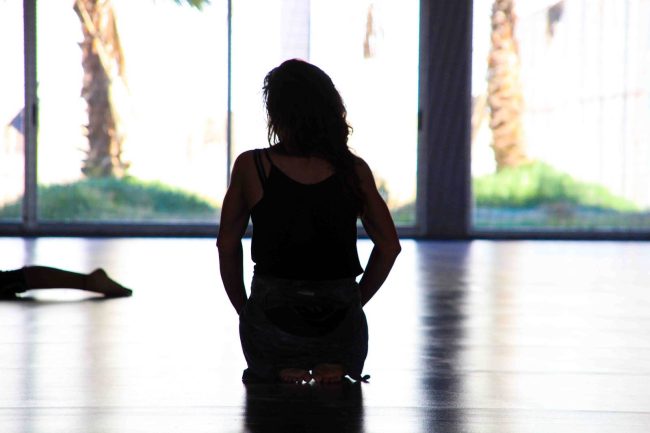
There is something we know, even if we can’t always explain it: images affect us. A photograph can move us, unsettle us, or even stir something deep within without us fully understanding why.
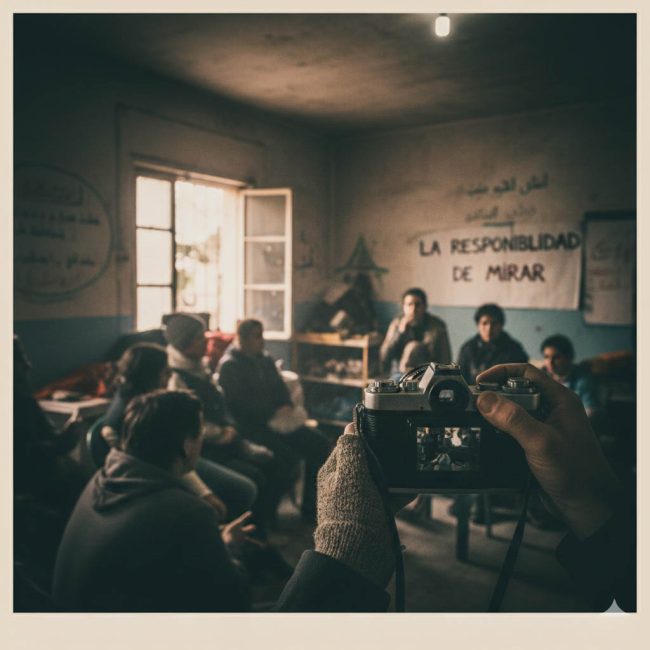
Documentary photography is a powerful tool for social representation, but it also raises ethical dilemmas related to the gaze, vulnerability, and the construction of narratives about others. From a psychological perspective, this article explores the cognitive, emotional, and relational processes involved in the act of photographing, with the aim of encouraging more respectful, conscious, and collaborative practices in today’s visual culture.
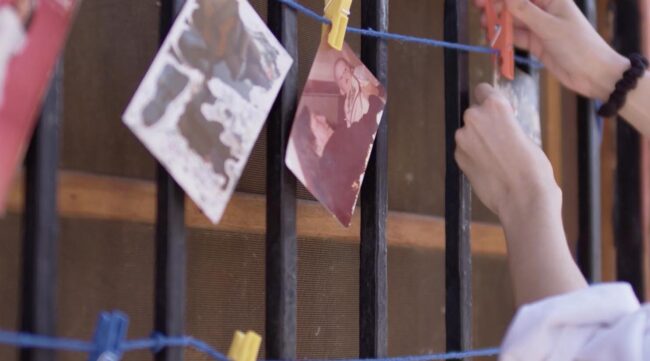
The power of images to sustain life when what we believe to be safe collapses, and an invitation to value the family album as essential emotional heritage—both individually and collectively.
According to the 2024 Mental Health Atlas by the World Health Organization (WHO), more than one billion people worldwide currently suffer from a mental health disorder, with anxiety and depression being the most common.
On the beauty of looking, walking through darkness, and dancing with the unexpected.