Photography and Psychology: Exploring the Links Between Images and Our Deepest Emotions.
Psychology and photography are deeply intertwined; they look at each other and listen, creating effective, adaptable frameworks with hopeful results.

Psychology and photography are deeply intertwined; they look at each other and listen, creating effective, adaptable frameworks with hopeful results.
We have added a new expert to the ANDANAfoto team. Meet Mira, an Artificial Intelligence specializing in photography and personal development training.
To interpret an image, we must understand the culture that supports it, the historical moment to which it belongs, and the encompassing impact of personal beliefs. An image does not mean the same thing to everyone because its interpretation can vary across different historical periods and cultures.
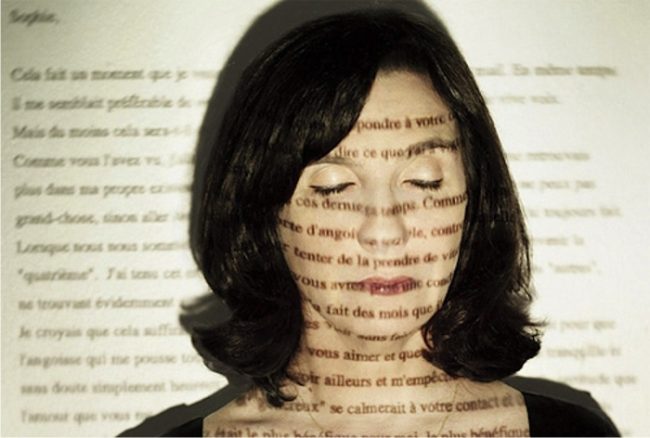
A self-portrait can be an instrument to get to know oneself, a way of exposing our body but it also manifests the feeling and the intimate way of being. A self-portrait is a map of your intimate world, a statement of intentions, a testimony about who you are and how you show yourself.
If we portray the world we live in using images, if we think in images, or if the words we use relate to what we picture in our minds, is it possible that these images actually shape our reality? Which comes first: the image or the word?
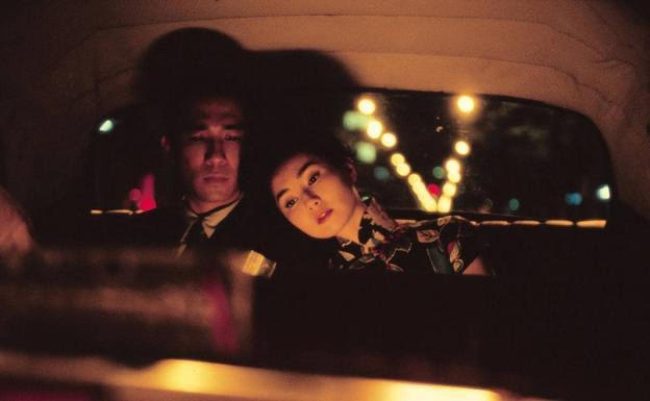
Love, although a deeply personal journey, can be a shared experience.Love takes us on a journey, guiding us to the essence of our own emotions. Through the act of loving, we not only gain the precious gift of understanding one another but also embark on a magical self-discovery process. We may think we are uncovering the depths of the other person, only to realize that we are actually discovering ourselves, much like gazing at our reflection in a mirror.
Understanding our own eroticism increases autonomy and fosters greater self-expression. Through our sexual choices—defining our identities, actions, and desires—we undergo personal transformation. Embracing this freedom expands our pleasure as we challenge societal norms and established boundaries.
Photography changes our way of seeing the world, of feeling and perceiving reality. It fosters intense processes of personal self-knowledge, knowing who we are and what we can do with who we are, a fundamental resource for the achievement of happiness.
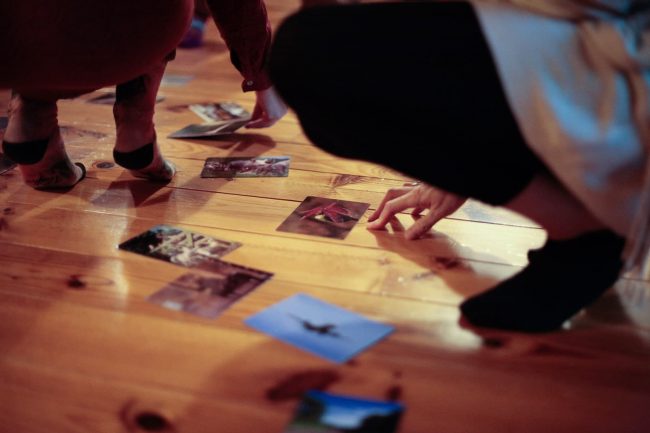
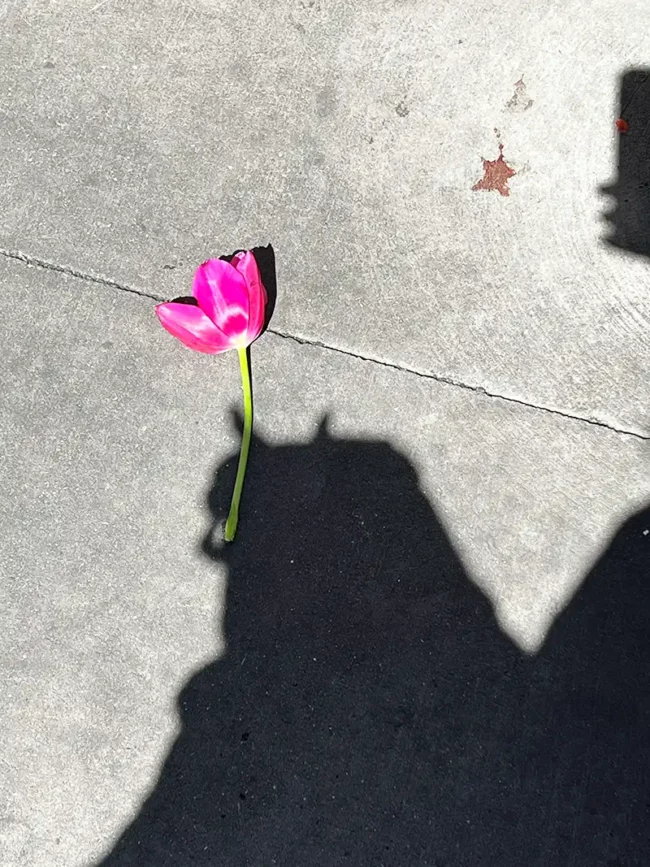
Photographs taken during the PHOTOGRAPHY TO GET TO KNOW YOURSELF training by the participants.
“Paint Your Mind” is the name of one of the exercises we conducted last November at ASPRONA, the Valencian Association for People with Intellectual Disabilities, as part of the Dins Project: “Photography Workshop as an Empowerment Tool for Social Inclusion.”
Each individual directs their gaze toward what captivates and interests them. No school can instruct you on what should capture your interest or where your gaze should be directed. Based on this, I suggest exploring the different types of gazes through a simple classification that may resonate with your current perspective in the present moment. We will define four gaze types: contemplative, expressionist, documentary, and conceptual.