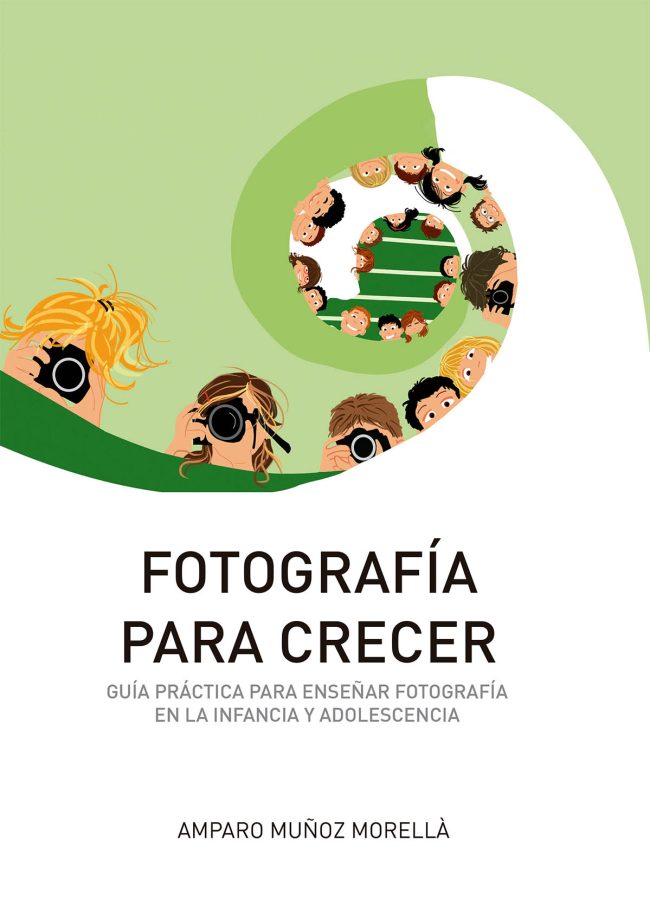
Psychologist and teacher.With over two decades of expertise, Amparo studies and supports individuals who use photography to enhance their creativity and facilitate their personal growth. Through her work over the years, she has provided valuable information via articles, masterclasses, and courses covering topics that intersect photography and psychology and embarked on personal photography projects. In collaboration with Javier Sancho Boils, she has created ANDANAfoto. Since 2015, they have offered photography workshops with various organizations and platforms.She is the author of the books “Fotografía para crecer. Guía práctica para enseñar fotografía en la infancia y adolescencia (Photography to Grow: A Practical Guide for Teaching Photography to Children and Adolescents)” and “Descubre la fotografía. Mirar, crear y disfrutar desde la infancia (Discover Photography: Look, Enjoy, and Create from your Childhood)”.
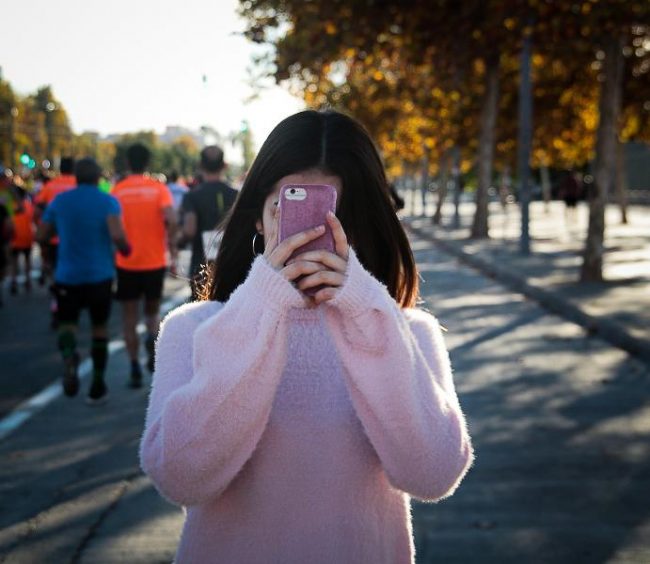
In this image-driven culture, it is no surprise to find tweens and teens with Instagram accounts filled with hundreds of images and thousands of followers. Instagram is used for chatting, exchanging information, sharing photos, showcasing personal life, posting inspiring quotes, and building self-image, which is why it is a favorite among young people.
As a method or instrument of artistic expression, photography holds all the necessary characteristics to make us more cognitively and creatively effective.
It was a great find. Few books speak so clearly about the processes of therapeutic photography and the use of photography in personal spaces and social intervention.
But why do humans obsess over documenting in serial form?
Design your own cartography and include the elements in your city that you would represent but are not shown on the official map.
In Photography to Grow, you’ll find all the tools you need to run a creative photography workshop for children and teens: theory, practical content, inspiration, and activities.
Perception is the cognitive process through which we receive information and form an image of reality. When we perceive a photograph, we go through two phases: reception and interpretation.
A photograph is where the interests and desires of the viewer intersect, and these are just as important for the person taking the photo as they are for the viewer. Sometimes, the message aligns, and sometimes, it does not. That is why photography, rich in meaning for both the photographer and the viewer, is always an OPPORTUNITY.
Street photography is not a recent discovery; it has existed since the invention of photography. In fact, what is considered to be Niepce’s first photograph is of a street.
If your worst fear took a human form, what would it look like? Working with fear through photography is a creative task.