Photography and Clinical Psychology: From Self-Knowledge to Professional Practice
PHOTOGRAPHY TO GET TO KNOW YOURSELF
A Photography-Based Online Workshop on Self-Discovery and Self-Knowledge.
$90
Discover the experiencie
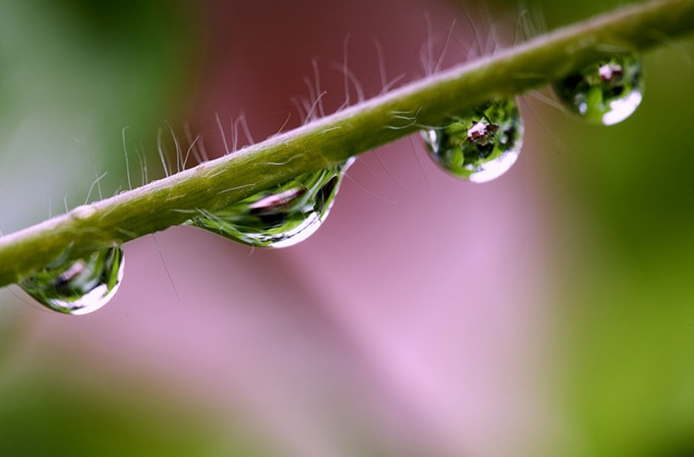
© Cesar Cerón
In February 2017, the Luz Serena Zen Monastery offered one of the most interesting opportunities for learning photography and pursuing personal growth. Dokushô Villalba, Zen Master, and Cesar Cerón, Doctor of Psychiatry and Gestalt psychotherapist, created a genuine experience for those of us who attended: The Zen & Photography Workshop: The Contemplative Gaze
Eleven of us learned and practised mindful observation, the ability to be present with the camera, to perceive flashes of awareness, and to admire the beauty of everyday life.
Dokushô Sensei’s masterclass was a gift, and it was a pleasure to listen to César’s words and have his guidance. Cesar is a wonderful teacher: sincere, with a certain shyness that makes him charming, a contagious smile and eyes full of light. Through his words, he convinced us that photographs are not captured; they are received.
We are grateful for his contribution to this blog, which is a gift in itself.
Photography and Meditation by Cesar Cerón
Meditation and photography have more in common than we might initially think: both focus on the present moment, both require the highest degree of awareness, and both yield better results when the mind is empty and free from distractions and external influences.
The term meditation comes from the Latin verb meditari, meaning to contemplate or deliberate, while the term contemplation derives from the Latin verb contemplates, meaning to look and observe.
Although meditation and contemplation can be found in many forms across very different traditions, I would like to highlight Zen meditation, which I find particularly interesting because it is free from dogmas associated with any particular doctrine. I want to emphasise that when I refer to Zen meditation (zazen), I am talking about a profound immersion in oneself, an alignment with the very heart of one’s innermost being.
 © Cesar Cerón
The practice of Zen meditation (zazen) provides an excellent foundation for achieving authentic and meaningful artistic expression. Its starting point is the absence of thought—or, perhaps more accurately, non-attachment to thought—since it is clear that we cannot stop thinking; it is something inherent to our nature as a species. Rather, it is about remaining free from distracting thoughts that distance us from the awareness of direct experience.
The regular practice of meditation allows us to create an inner space where we can breathe calmly, free from the distractions of the outside world, while also venturing towards the source of our creativity and producing images that are truly clear and profound.
Therefore, if we focus on our inherent creativity through meditation and contemplation, we can create meaningful images capable of radiating outwards and resonating with others.
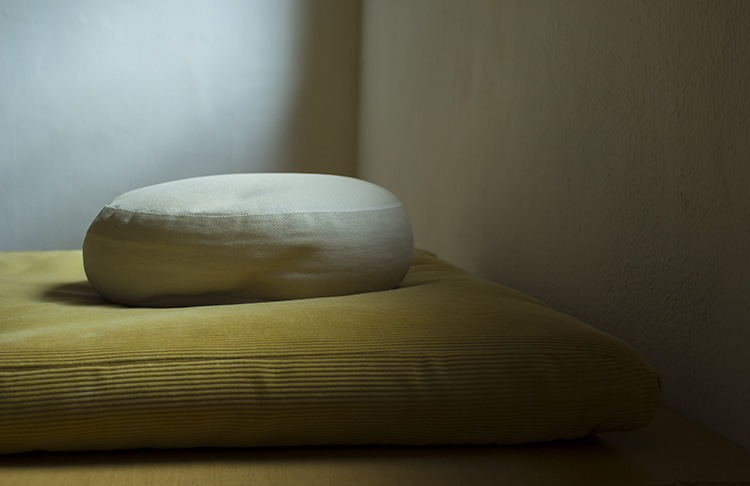
Meditation and contemplation can help us discover what we want to express through photography. The idea of contemplation is closely linked to photography because it involves the act of seeing and considering what is being seen.
Photography is an artistic medium that encourages you to find a state of mental stillness because it requires patience; in fact, a good photograph rarely comes from a hurried state of mind.
In this sense, photography can provide a welcome counterpoint to the frantic pace of our lives.

We are constantly exposed to countless stimuli and to an incessant flow of ideas that projects stories and images into our minds. We are continually talking to ourselves, going over and over the same stories that we have pondered a thousand times before.
We spend our time worrying about the past, which no longer exists, or about the future, which is yet to come. It is an ever-present stream of thought that, above all, pulls us away from the present, the only thing that is truly certain.
As a result, we lose awareness of each moment of our lives and barely notice life passing by. We eat, but we do not savour; we hear, but we do not listen; we love, but we do not feel. Life slips through our fingers.

Sometimes, powerful sensory stimuli can trigger experiences that bypass this constant mental noise, allowing us to experience certain moments with clarity and depth. You have surely experienced moments like these, when calmness reigns within you and you feel free from all those thoughts.
Freeing the mind from this relentless stream of thought is precisely the purpose of meditation; although, in reality, defining the state of zazen as a goal to be achieved would distort its meaning, since Zen has no intention. There is no enlightenment to attain, nothing to achieve, simply being.
The practice itself is the goal.
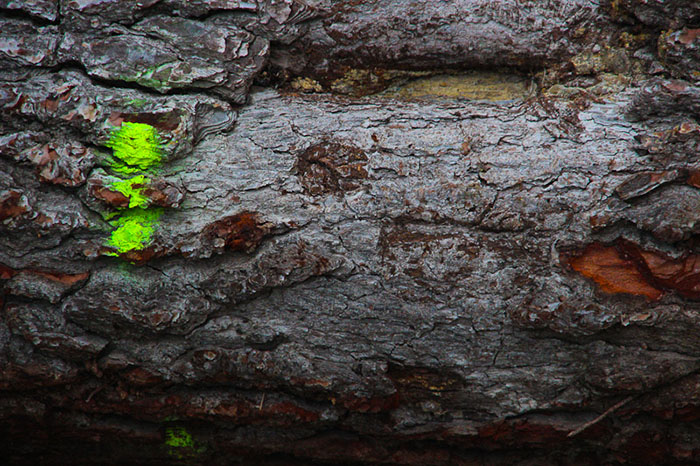
© Javier Sancho
Photography shares with meditation that precious way of being present in reality: when you are deeply immersed in the visual present moment with your camera, the stream of thought that diverts our attention is interrupted. In fact, for some people it is much easier to concentrate and remain in the present while composing a photograph than while sitting in zazen. When we photograph, we are exposed to the sensory stimulation of our surroundings while keeping our attention fully focused on the present moment. When we sit in zazen, however, there is usually no external stimulus around us to distract our attention. You are alone with your mind and, unless your meditation practice is deep enough for you to completely disregard your inner dialogue, your own stream of thoughts will be the only stimulus distracting you.
The aim of meditation, and also of the act of photographing, is to experience complete stillness of the mind. Paradoxically, however, when that stillness is achieved, the mind is not empty at all. On the contrary, many creators have expressed that when this inner silence is reached, the creative process can emerge in all its splendour.
It is at this moment, sometimes referred to as the “anchor point”, that the source of inspiration and creativity emerges. This point lies at the heart of the creative process; it is like the eye of the storm, the calm within the chaos. It is not, as many believe, an empty space to retreat into while shutting out the world, but rather a place where we can free ourselves from the incessant stream of thoughts, creating a state of open and receptive awareness.
The first step towards reaching this point is to become still, fully present with what is here and now. Right at the very instant when I take that photograph.
Cesar Cerón
A Photography-Based Online Workshop on Self-Discovery and Self-Knowledge. This course includes all the necessary tools to lead photography workshops for children and youth, including theoretical and practical content, inspiration, and activities. An auditory and visual experience designed to train your visual literacy and photographic expression through the practice of self-portraiture.
No hay eventos con los filtros seleccionados.PHOTOGRAPHY TO GET TO KNOW YOURSELFPHOTOGRAPHY TO GET TO KNOW YOURSELF
$90Discover the experiencie→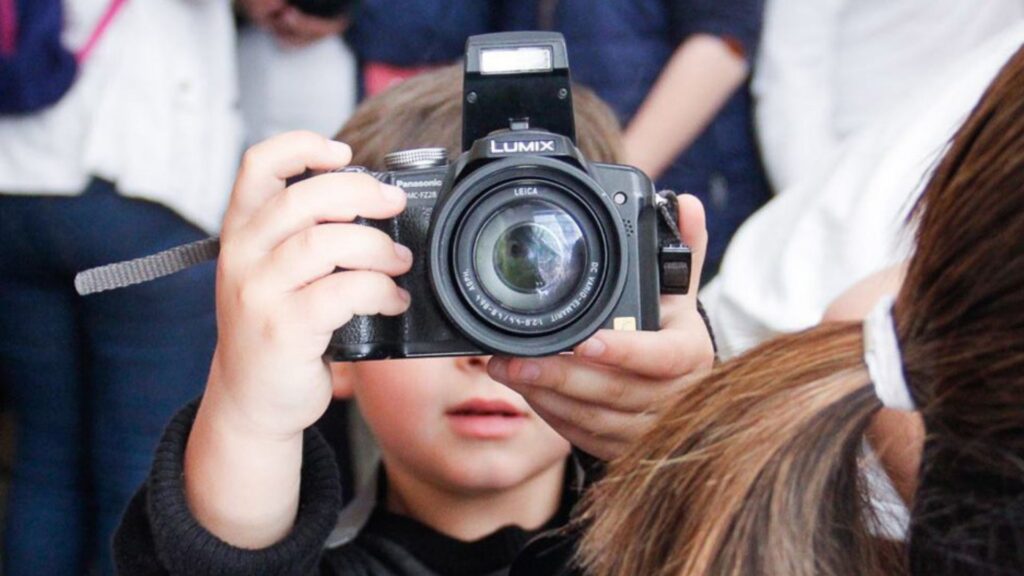 ONLINE SPECIALIZATION COURSE ON LEADING PHOTOGRAPHY WORKSHOPS FOR CHILDREN AND YOUTH
ONLINE SPECIALIZATION COURSE ON LEADING PHOTOGRAPHY WORKSHOPS FOR CHILDREN AND YOUTH
$180All the information→ SELF-PORTRAIT WORKSHOP
SELF-PORTRAIT WORKSHOP
Start Now$50Discover the experiencie→
Cómo citar este artículo
Al citar, reconoces el trabajo original, evitas problemas de plagio y permites acceder a las fuentes originales para obtener más información o verificar datos. Asegúrate siempre de dar crédito y de citar de forma adecuada.
How to cite this article
By citing an article, you acknowledge the original work, avoid plagiarism issues, and allow access to the original sources for further information or data verification. Make sure to always give credit and cite appropriately.