
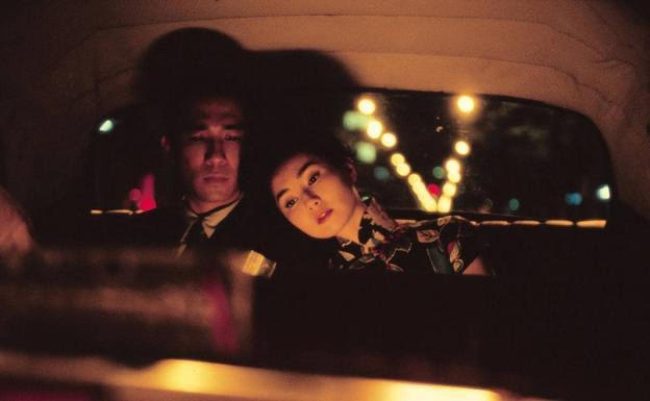
The Limbic System Loves Images
By understanding how our brain processes images, we can use this ability to enrich our emotional lives, foster greater self-knowledge, and –why not?– take better photographs.

By understanding how our brain processes images, we can use this ability to enrich our emotional lives, foster greater self-knowledge, and –why not?– take better photographs.
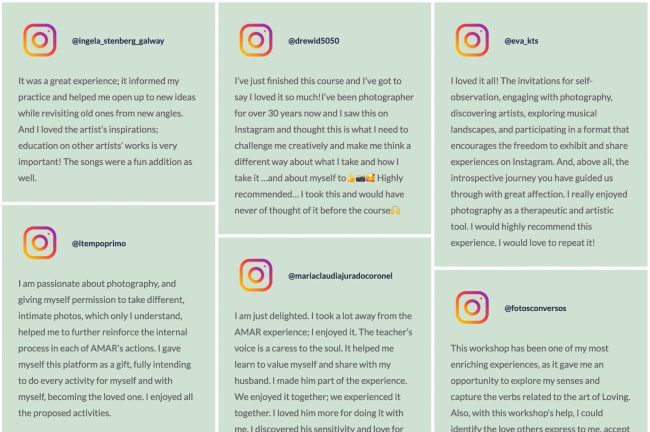
We want to express our deepest gratitude for the wonderful opinions you have shared about our training experiences. We are delighted to know that our passion for photography and personal development has resonated so positively.
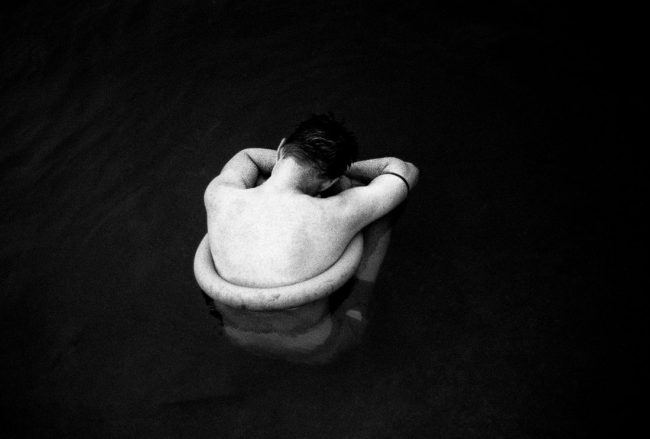
On January 19, 2024, Carlota Visier, Pablo Couso and Kezia Carpenter, members of the jury of the III ANDANAfoto 2024 Photography Contest, unanimously agreed on the following awards.
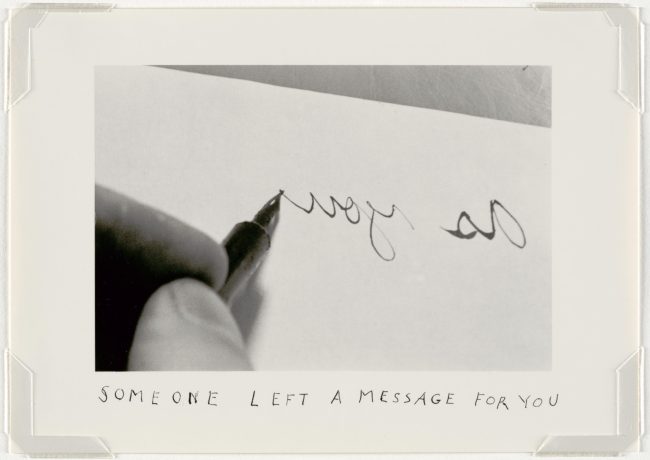
Images live within our brains. They spontaneously appear as our minds play, create, and imagine. And indeed, to imagine is to think in images. The mind forms concepts in images, and neuroscience has already proven that some of our mental abilities aren’t based on thoughts or verbal language.

Each ANDANA festival has been filled with unforgettable moments. Anything can happen when you step inside, and each moment has been saved in our minds and photographs.
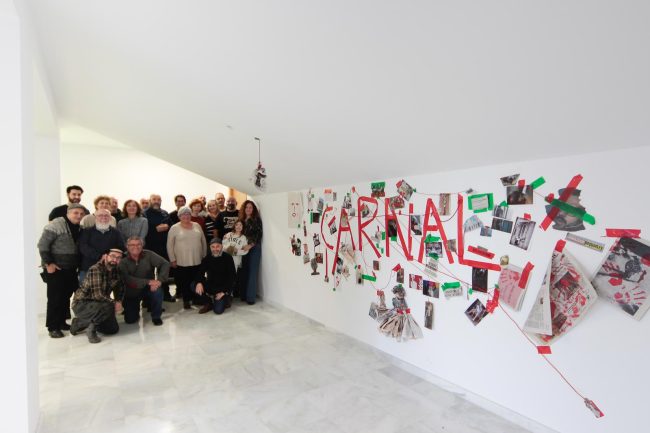
We’re back from Castro del Río with our heads full of projects and our hearts filled with gratitude. Photography, laughter, learning, and friendship are the perfect recipe for a successful festival, and the INvisibles Photography Festival puts itself to the test every year to create the best dish.

ANDANAfoto annually announces its Photography Awards to promote photographic creation related to personal and social development, contributing to the recognition of artists in their different stages of creative development. Admission deadline: January 15.
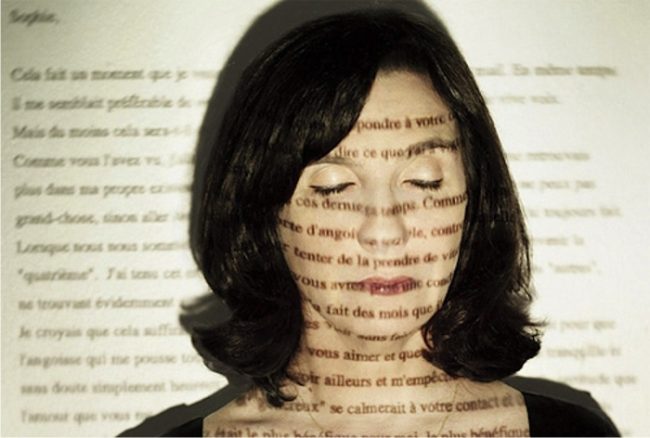
Psychology and photography are deeply intertwined; they look at each other and listen, creating effective, adaptable frameworks with hopeful results.

We have added a new expert to the ANDANAfoto team. Meet Mira, an Artificial Intelligence specializing in photography and personal development training.
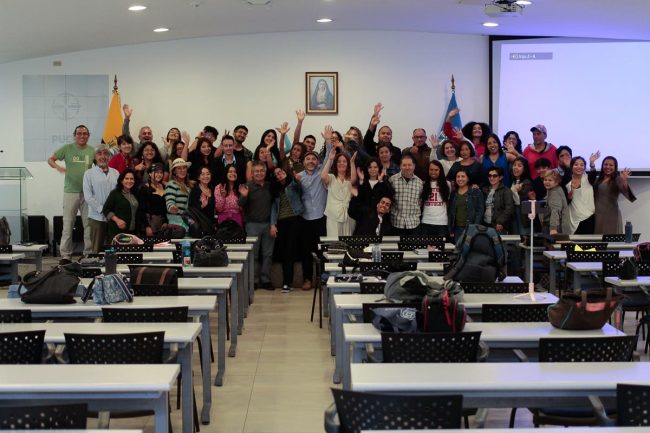
To interpret an image, we must understand the culture that supports it, the historical moment to which it belongs, and the encompassing impact of personal beliefs. An image does not mean the same thing to everyone because its interpretation can vary across different historical periods and cultures.