

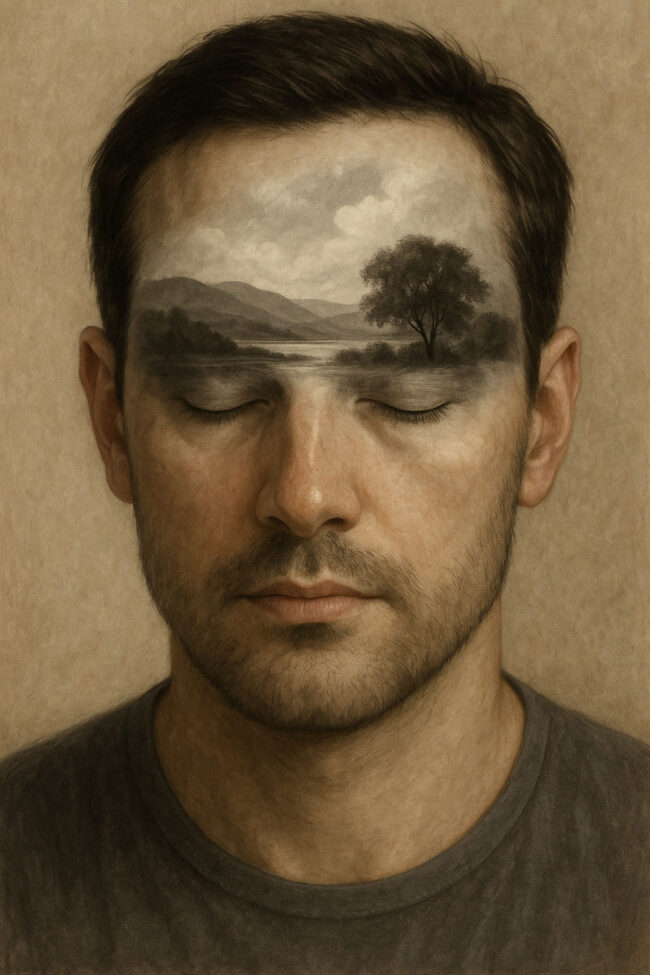
Do we think in images, or don’t we?
In recent years, science and personal testimonies have brought to light something that has always been there: not everyone thinks in images.

In recent years, science and personal testimonies have brought to light something that has always been there: not everyone thinks in images.
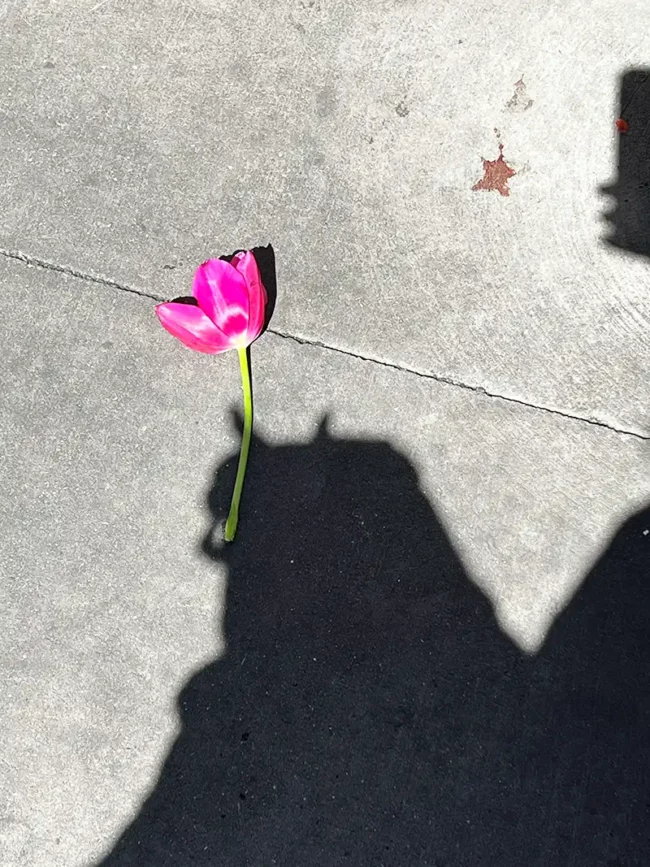
In a world full of constant rushing, obligations, and stimuli, finding a moment of calm is a revolutionary act.
Modern society pushes us to stay constantly engaged in digital tasks and connections, yet we often remain disconnected from our surroundings and inner world. In the face of this reality, practicing mindfulness emerges as a powerful tool for returning to what’s essential: the here and now.
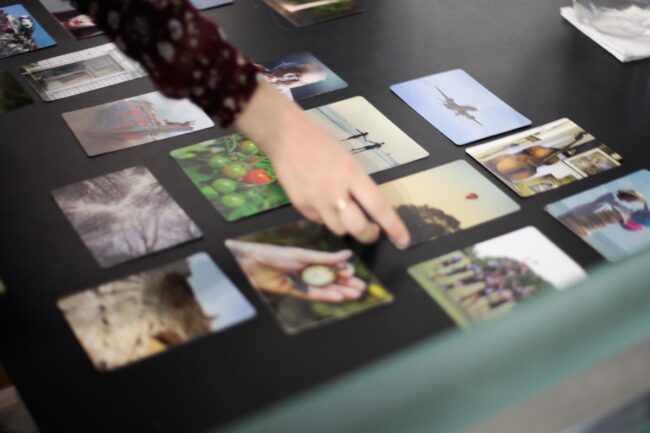
Have you ever wondered how a single image can reveal more about you than you might think? Our inner world is rich with symbols, memories, and emotions that often elude verbal expression. Yet, images possess a unique power—they can unlock doors to our unconscious, helping us connect with our deepest selves.
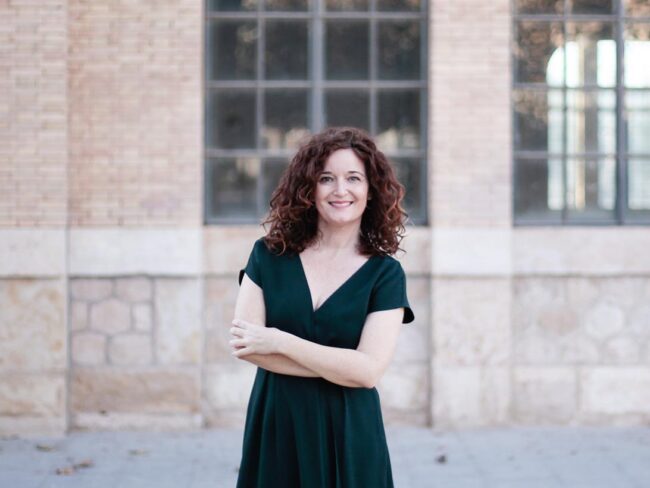
ANDANA was born from a story of love and connection, not only between Javier and me but also with photography and the transformative potential of art.

A self-portrait in therapeutic photography is more than just a visual representation; it serves as a powerful tool for self-knowledge and exploring emotions and identity.
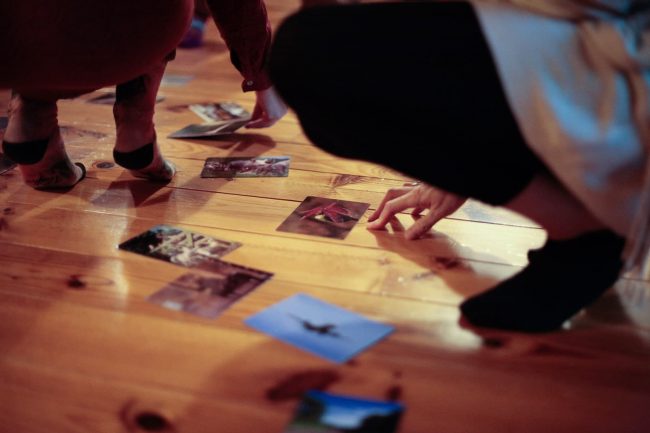
Photovoice is a technique that blends photography, storytelling, and community conversations to empower individuals and communities. This method allows them to document and reflect on their lives and environments in a visual and accessible way.
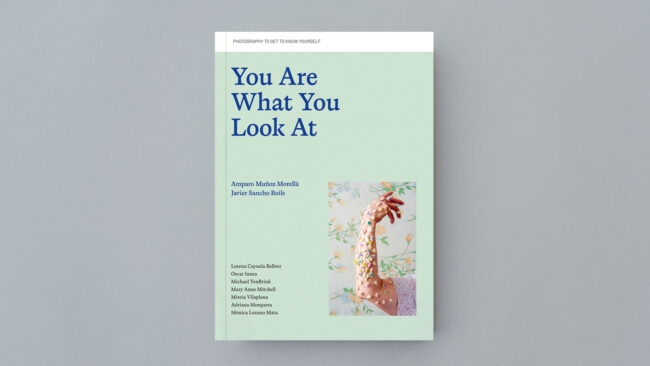
On April 12, 2024, the book You Are What You Look At was released, the first in the Photography to Get to Know Yourself collection, a project aimed at raising awareness about the transformative benefits of photography.
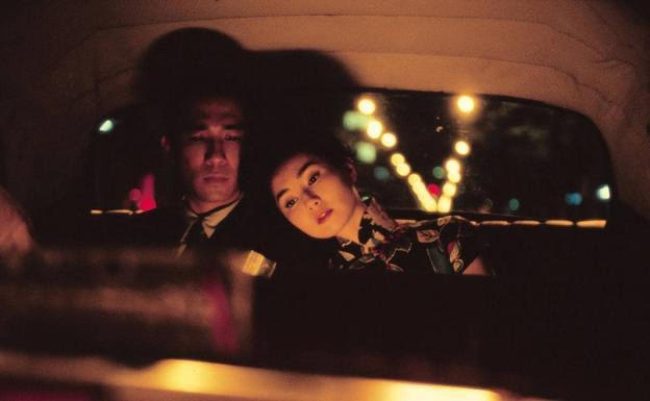
By understanding how our brain processes images, we can use this ability to enrich our emotional lives, foster greater self-knowledge, and –why not?– take better photographs.
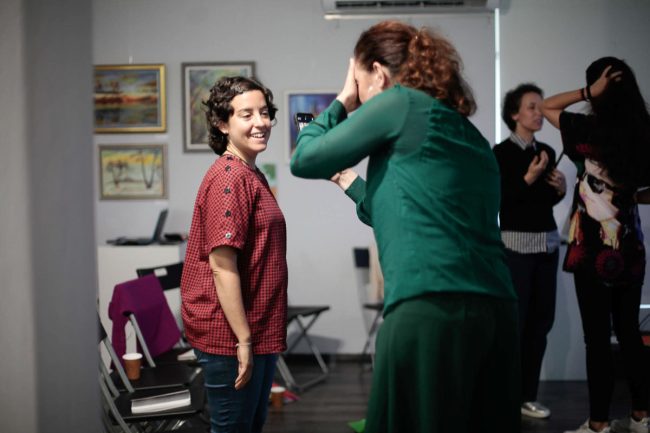
We are thrilled with the experience we had in Bulgaria, where we led two workshops over two days using contemporary photography as a tool for self-knowledge.
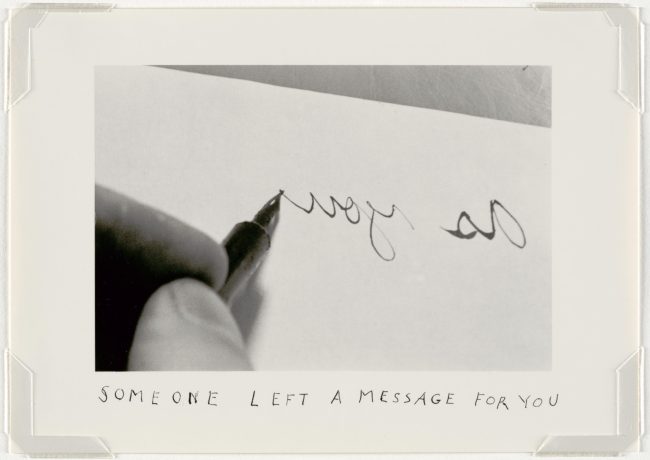
Images live within our brains. They spontaneously appear as our minds play, create, and imagine. And indeed, to imagine is to think in images. The mind forms concepts in images, and neuroscience has already proven that some of our mental abilities aren’t based on thoughts or verbal language.