

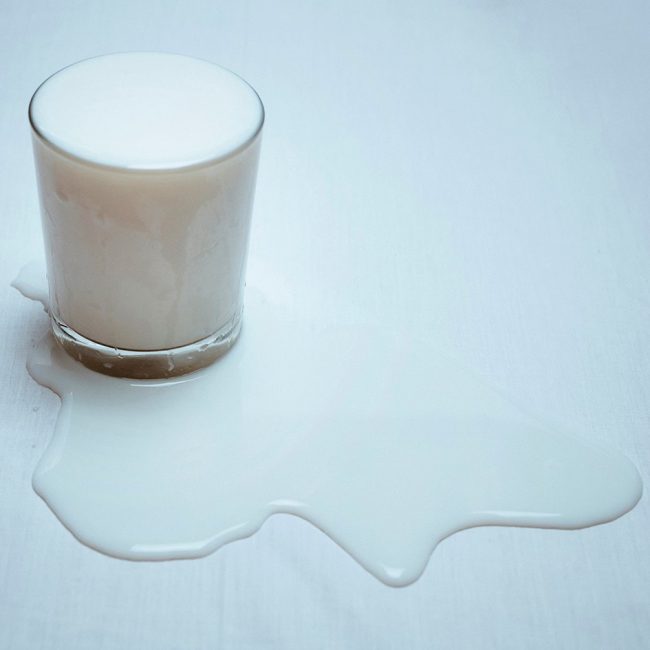
Therapeutic Photography and Self-Knowledge
Photography, as a therapeutic tool, aims to enhance the health, well-being, and personal growth of individuals through the utilization or creation of images.

Photography, as a therapeutic tool, aims to enhance the health, well-being, and personal growth of individuals through the utilization or creation of images.
Today, more than ever in history, we have the possibility to take pictures at any time. We create images quickly and easily. We create images because we can.
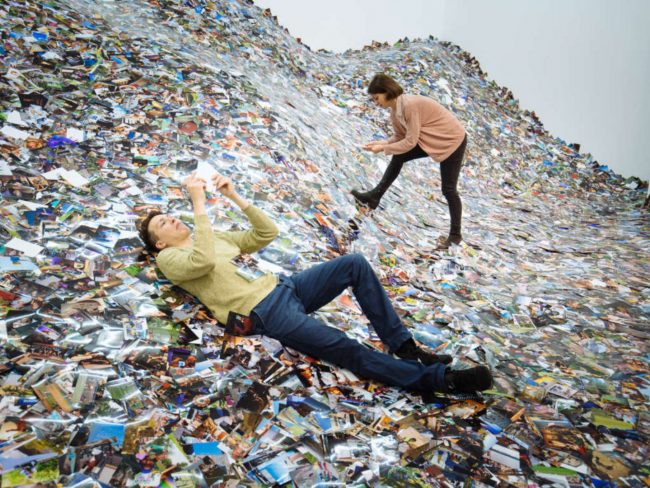
Photography, since its invention, has changed our lives in every way, what we know, how we represent ourselves, what we discover and document.
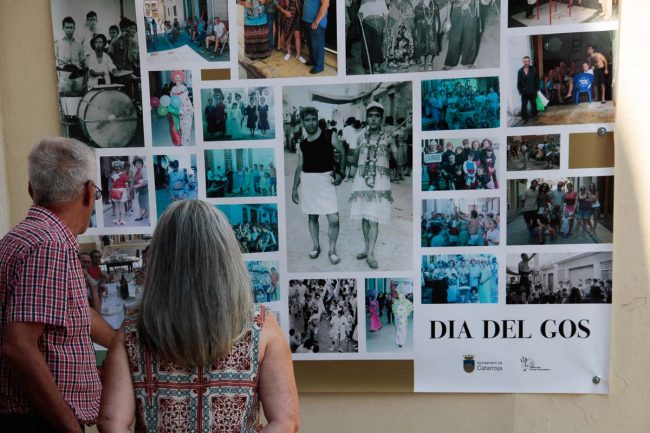
Colps de llum can be freely visited on Carrer Sant Pere in the town of Catarroja, Valencia. It is a family album of the les Barraques neighborhood, telling the story of its people, its festivals, its streets and transformations — an album created photo by photo by Paco Costa.
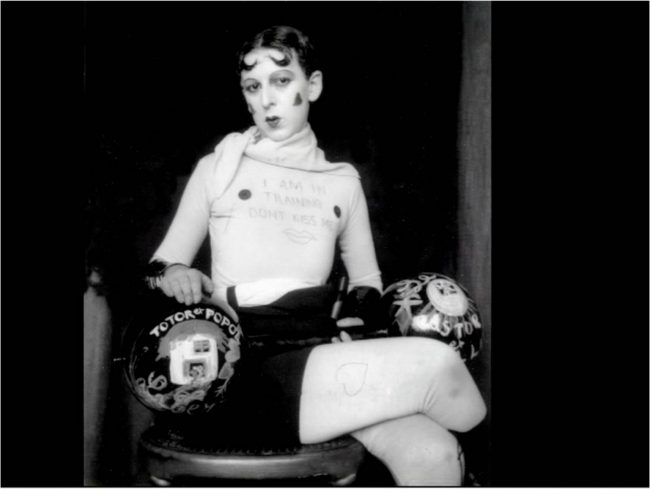
Claude Cahun used self-portraiture to document her changes, to invent possible identities, and to become what she desired. The camera not only captures who we are, but also allows us to invent who we want to be, to discover that what defines us is fluid and ever-changing, that we are free to reinvent ourselves at any moment in our lives. This is the profound liberation.
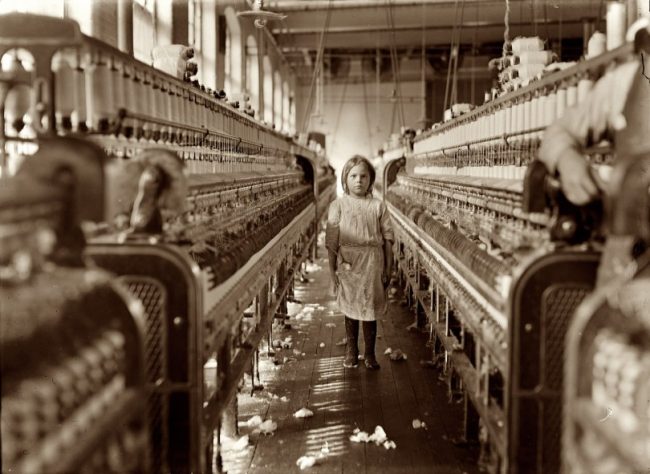
Can images change the world we live in?
This great question can haunt those who make documentary photography, those who find spaces, places and communities in the world that need help or global support, and those who say that what is happening can’t happen in an ethical and civilized society.
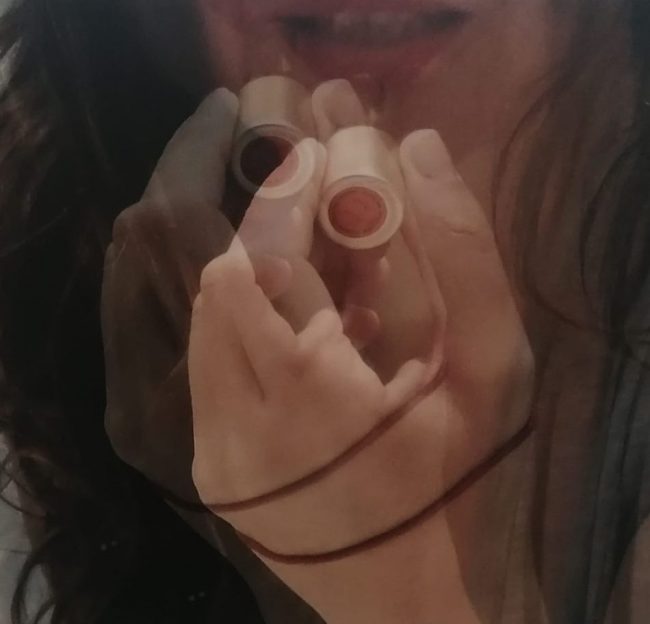
Inma García Peris is an artist who narrates from her own biography, an identity shared with other forms of diversity, a fundamental narrative for understanding her work.