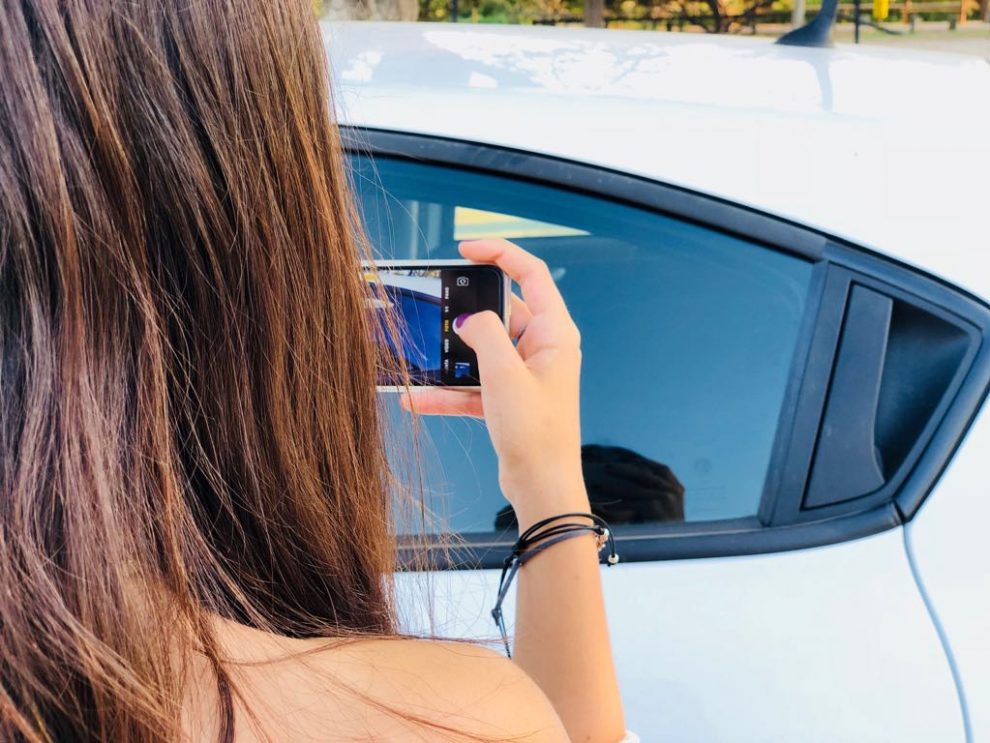
Photography Workshop for Youth
Some parents understand that teaching visual culture and photographic expression is important for their children’s present and future.

Some parents understand that teaching visual culture and photographic expression is important for their children’s present and future.
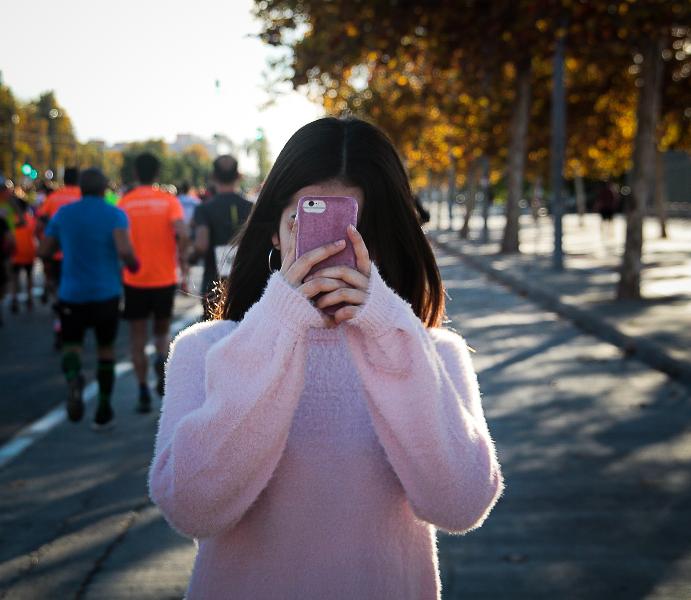
In this image-driven culture, it is no surprise to find tweens and teens with Instagram accounts filled with hundreds of images and thousands of followers. Instagram is used for chatting, exchanging information, sharing photos, showcasing personal life, posting inspiring quotes, and building self-image, which is why it is a favorite among young people.
Want to start a photography project but don’t know where to start?
Would you like to build and develop your photography project authentically?
Many people spend their lives not doing what they truly wish, believing they must follow what they are expected to do rather than what they truly want.
In this section, you will find established photography workshops for children and youth. In these workshops, your children will learn photography through emotional expression. We offer these workshops with the assurance that they are led by professionals who have trained with us.
As a method or instrument of artistic expression, photography holds all the necessary characteristics to make us more cognitively and creatively effective.
It was a great find. Few books speak so clearly about the processes of therapeutic photography and the use of photography in personal spaces and social intervention.
Using playful and creative resources and introducing various contemporary photography projects, each participant will develop their own personal photography project, just like contemporary artists, expressing what brings them joy or makes them uneasy through a series of photographs.
Design your own cartography and include the elements in your city that you would represent but are not shown on the official map.
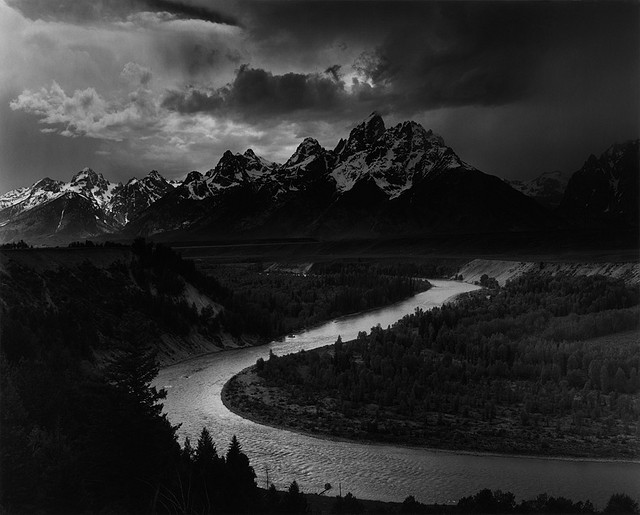
The history of photography begins with a look at a landscape: Nicéphore Niépce’s View from the Window at Le Gras in 1826. Since then, countless photographers from around the world have been captivated by the sublime beauty of landscapes. But what is my motivation for photographing a landscape?
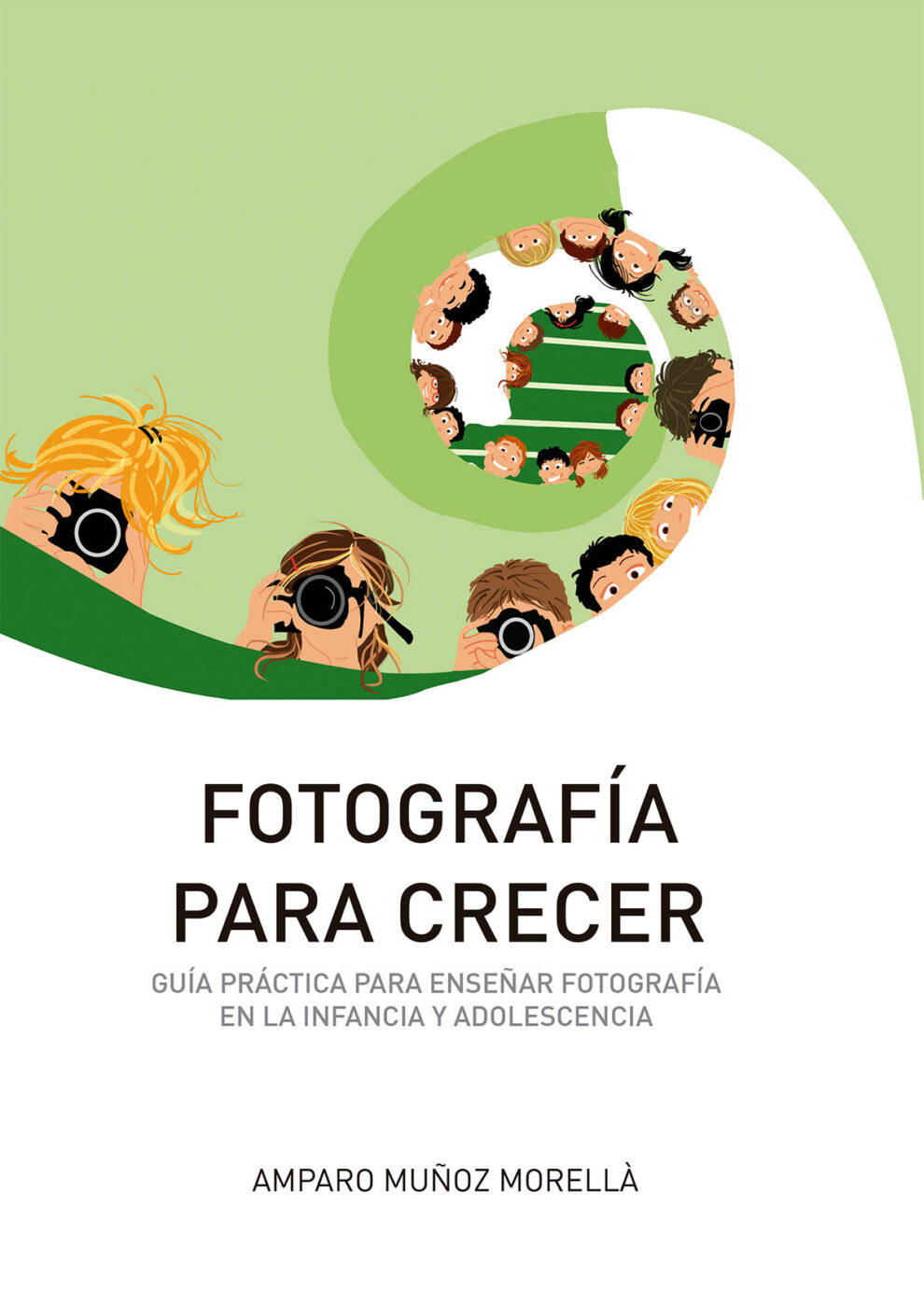
In Photography to Grow, you’ll find all the tools you need to run a creative photography workshop for children and teens: theory, practical content, inspiration, and activities.
A photograph is where the interests and desires of the viewer intersect, and these are just as important for the person taking the photo as they are for the viewer. Sometimes, the message aligns, and sometimes, it does not. That is why photography, rich in meaning for both the photographer and the viewer, is always an OPPORTUNITY.
Can a blind person take photos? Seeing is not a requirement for taking photos, as they are not solely born from sight. A blind person is endowed with the paradox of not being able to see the world, yet also with a sense of mystery and a connection to another reality. The…
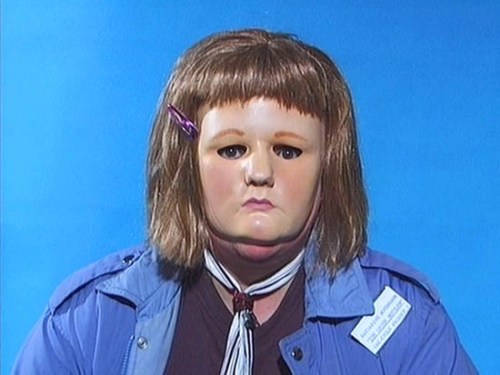
If your worst fear took a human form, what would it look like? Working with fear through photography is a creative task.
All human beings are born free and equal in dignity and rights, and, endowed as they are with reason and conscience, they should act fraternally towards one another. UN The teaching of photography is a key instrument for fostering creativity and the inclusion of people with functional diversity. To create and communicate means…
From a very young age, children are curious about the world around them—they explore, admire, are amazed, and, above all, play. Photography will help them grow.
Ansel Adams used to say that photography is not only done with the camera. “You do it with all the images you have seen, with all the books you have read, with all the music you have listened to, and with all the people you have loved”.
I don’t like to see a wonderful photograph and have my gaze fall on that wound; on the fiery mark of the creator, invalidating the visual walk of the person who observes and contemplates. Therefore, I invite you to start your critical thinking, another way of looking.
I propose a photographic exercise that you can do with any type of camera, including a mobile: I GIVE MYSELF PERMISSION.
You have often wondered: “Why do my photos not reflect my gaze?” “Why is the photo not exactly what I have seen?” You feel a mismatch between the photograph you thought you would obtain and its final result…
This website uses cookies so that we can provide you with the best user experience possible. Cookie information is stored in your browser and performs functions such as recognising you when you return to our website and helping our team to understand which sections of the website you find most interesting and useful.
Strictly Necessary Cookie should be enabled at all times so that we can save your preferences for cookie settings.
If you disable this cookie, we will not be able to save your preferences. This means that every time you visit this website you will need to enable or disable cookies again.