Humanistic Photojournalism, Psychology and Participatory Photography at the Asturias International Photojournalism Conference.



The creative mind plays with the objects it loves.
Jung
What is creativity in photography?
When we talk about photographic creativity, we might think of images that use technology to capture the imagined—almost like a dream—far from reality, yet still beautiful. When mental images are brought to life, some call it creative photography.
On the other hand, there are real photographs—those with minimal manipulation—that capture unique moments, visible only through the photographer’s subjective and intimate gaze.
 Susan Meiselas
In both cases, the creative process enables us to develop a unique style that reflects our personal perception of the world rather than simply reproducing it.
Bringing this personal vision into photography marks the transition from simple reproduction to expression, from science to art. In this sense, creativity is the force that enables the image to convey exactly what I intend—photography as a unique creative process and a reflection of my personal artistic expression.
So, how do I turn my photography into my artistic expression?
This is not free; it requires two key elements:
1. A process of research and documentation from an entirely personal and authentic perspective. Just as in language, we need to listen, read, and speak—what we call linguistic immersion—in photography, we must see (visit exhibitions, watch documentaries, browse catalogs), read (explore the work of artists, the basics, biographies), and photograph. This is what we call photographic immersion.
 Robert Frank
2. Listen to your vibration. Feel your body while photographing or researching. Most artists speak of the intense emotion they feel when they know they’ve captured the photograph they were looking for—when the street presents the perfect moment or when they find the right expression in the person they’re portraying. Roland Barthes called it punctum; I like to refer to it as vibration—that feeling we get when we capture the “perfect photograph” or when we see the work of an artist we are passionate about. It’s the feeling we get just below the navel and that explains intuitive intelligence. Artistic expression is a communicative process not only between the artist and the viewer but also between the artist and the subject being portrayed. Perception, understanding, comprehension, and the emotional and cultural dimensions are involved in both cases.
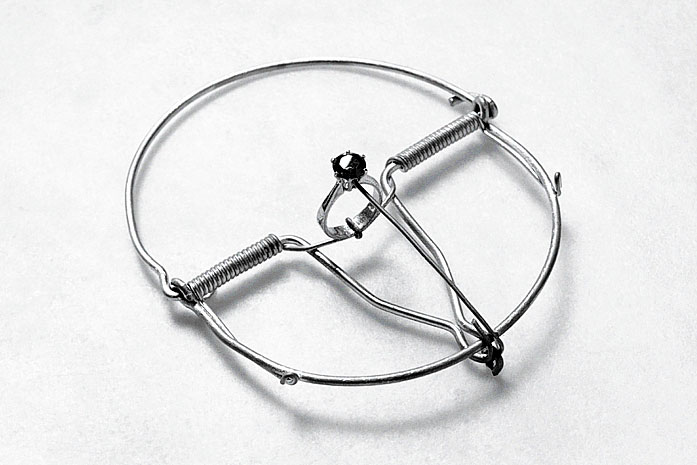 Chema Madoz
LIntuitive intelligence and emotions in creativity are fundamental. “Vibration” directly influences our cognitive system, shaping both how and what we perceive. They trigger neurotransmitters that flood specific areas of our brain, altering perception and decision-making. Neuroeducation understands this well: our emotions influence how we think, guide our behavior, and shape what we look at. They enable quick judgments, such as: “This is boring,” “This has potential,” or “This is beautiful.” But most importantly, they will guide you in your research and the development of your artistic expression.
Daniel Goleman, author of Emotional Intelligence, explains that we have two minds: one that thinks and one that feels. Both are equally important. Emotions are just as vital as the logical, linear, and verbal thinking of the left hemisphere. We don’t think with just one hemisphere; both are essential. We don’t just process information; we also feel it. Both research and emotion-vibration are essential to our creative thinking.
That’s why we enjoy contemplating certain photographs and love sharing those that evoke emotion in us. Some images evoke memories, smells, and tactile sensations, while others feel off or unsettling.
 Esther Ferrer
According to creativity expert Angélica Satiro, “Creating is about generating more, newer, and better ideas with value.” Read, research, search, learn, taste, feel, doubt, practice, photograph, have fun, laugh, cry, suffer, worry, rest, enjoy…
We are a vast catalog of images—those we’ve accumulated throughout our lives that have shaped us. Some are tied to personal experiences, while others reflect our interests or education. Your photographic expression lies within you, waiting for you to discover and develop it.
If you want to learn more about photography and personal development, I invite you to learn more about:

Cómo citar este artículo
Al citar, reconoces el trabajo original, evitas problemas de plagio y permites acceder a las fuentes originales para obtener más información o verificar datos. Asegúrate siempre de dar crédito y de citar de forma adecuada.
How to cite this article
By citing an article, you acknowledge the original work, avoid plagiarism issues, and allow access to the original sources for further information or data verification. Make sure to always give credit and cite appropriately.