Humanistic Photojournalism, Psychology and Participatory Photography at the Asturias International Photojournalism Conference.


“There is a vitality, a life force, an energy, a quickening that is translated through you into action, and because there is only one of you in all of time, this expression is unique. And if you block it, it will never exist through any other medium and will be lost.” With this phrase, Martha Graham, the greatest figure in 20th-century contemporary dance, broke the molds of classical dance, much like Picasso did in painting. Yet, we don’t study her in textbooks.
 Photograph by Claudia Masciave
The barriers faced by women artists in any discipline are the same in photography, which is why it remains essential to continue recognizing and advocating for the work of women in art. It is essential to reflect on the absence of women artists—especially photographers—at major contemporary art fairs, why men are the primary ambassadors for official brands, and why so few women are selected by World Press Photo.
Currently, men dominate art galleries, museums, fairs, and congresses, holding most of the key positions of artistic, intellectual, and economic power. Surprisingly, the Prado Museum displays the works of over 5000 men but only those of 53 women.
 Photograph by Adela Zarcero
In more everyday contexts, the presence of women photographers representing camera brands is limited and sometimes nonexistent. Companies select prestigious male photographers from each country to test, showcase, and promote their latest innovative products. In turn, the selected photographer gains recognition and prestige, which helps elevate their work. Women photographers have very little representation in this sector.
In Spain, the National Photography Prize has been awarded to only four women photographers and the Hasselblad Award to just seven. The vast majority of speakers at photography festivals are men, and they dominate as the key figures at universities and photography training centers. The underrepresentation of female photographers in prominent roles and the arts remains a reality in the 21st century.
There are no objective reasons to justify these unequal decisions, not even commercial ones. More and more talented women are pursuing photography professionally, along with countless others who explore image production as a tool for artistic expression, leisure, personal growth, or business development.
 Photograph by Diana Insua
The first step to solving these issues is raising awareness—recognizing that 50% of the population is not represented and understanding that this imbalance is harmful, not just for women. Men and women are part of the same team, and our strengths and weaknesses, needs and desires, memories and forgetfulness, as well as our obsessions, invite much deeper reflections on how we see the world.
A second step is an imminent need for research that rewrites the history of photography—and other histories—that is reconstructed from perspectives that don’t overlook a part of humanity, giving voice and visibility to forgotten women. Because what is not seen does not exist.
In the art world, women have been subjected to multiple and erroneous uses beyond the creative or artistic field. Photography is a form of communication, and unlike other media, it holds a powerful ability to persuade. Images of women portrayed as fragile, lonely, subdued, violated, or lacking identity have reinforced stereotypes that oppose strength and freedom. While it is true that the history of art has been dominated by images of women—depicted as models and muses, and the central figures of iconic works like The Ladies of Avignon, the Majas, the Mona Lisa, the Venuses, Degas’s dancers, or Toulouse-Lautrec’s prostitutes—they have rarely held power in these portrayals. They are the leading figures in commercial photography; their images appear on the walls of museums, but very few of them are the ones signing these works.
Photography reaches women as well as humanity. Since its inception, many have loved this tool, which enables them to preserve memories and express art. Photographers such as Anna Atkins (1799–1871), Julia Margaret Cameron (1815–1879), Lady Clementina Hawarden (1822–1865), the Countess of Castiglione (1837–1899), and Hannah Cullwick (1833–1909) were pioneers in the field. Although many have been overshadowed by the success of their male counterparts—like Constance Fox Talbot (1811–1880), Gerda Taro (1910–1937), and Martine Franck (1938–2012)—it is also true that men were more actively engaged in photography during the 19th century. However, the lack of interest in documenting women’s presence in photography studios, where they often collaborated with men, has perpetuated the mistaken belief that they were not part of this journey.
Women have often played important roles behind the scenes, but many were not documented. Their work is frequently attributed to their husbands, who were more valued by society and paid better. Additionally, given the prevailing ideology of the time, it’s reasonable to think that women didn’t value their own work as highly as men did, which has led to many of their images being lost or not preserved.
The avant-garde movement of the late 20th century began opening doors for women in the art world, allowing female photographers to gain strength and visibility in the art scene. Although the vast majority of women were muse-objects positioned in front of the camera, the work of artists like Cindy Sherman, Gillian Wearing, and Cristina García Rodero is featured in major museums and inspires countless other artists.
 Photograph by Paloma VazSan
Since Eve Arnold became the first female reporter for the agency Magnum, the widespread growth of photography and its democratization have led to an even more significant loss of control over one’s own image—muses, now in many hands. Today, physical constraints like corsets and bustles have been replaced by more symbolic forms of oppression, which call for knowledge, critique, and visual reflection.
However, many women have found in artistic expression a way to showcase their strength by representing the female body—once mediated by male interests—alongside their own interests, beliefs, projects, and truths. The photographer gains strength when the model and the creator are the same person, bringing a sense of empowerment and pleasure.
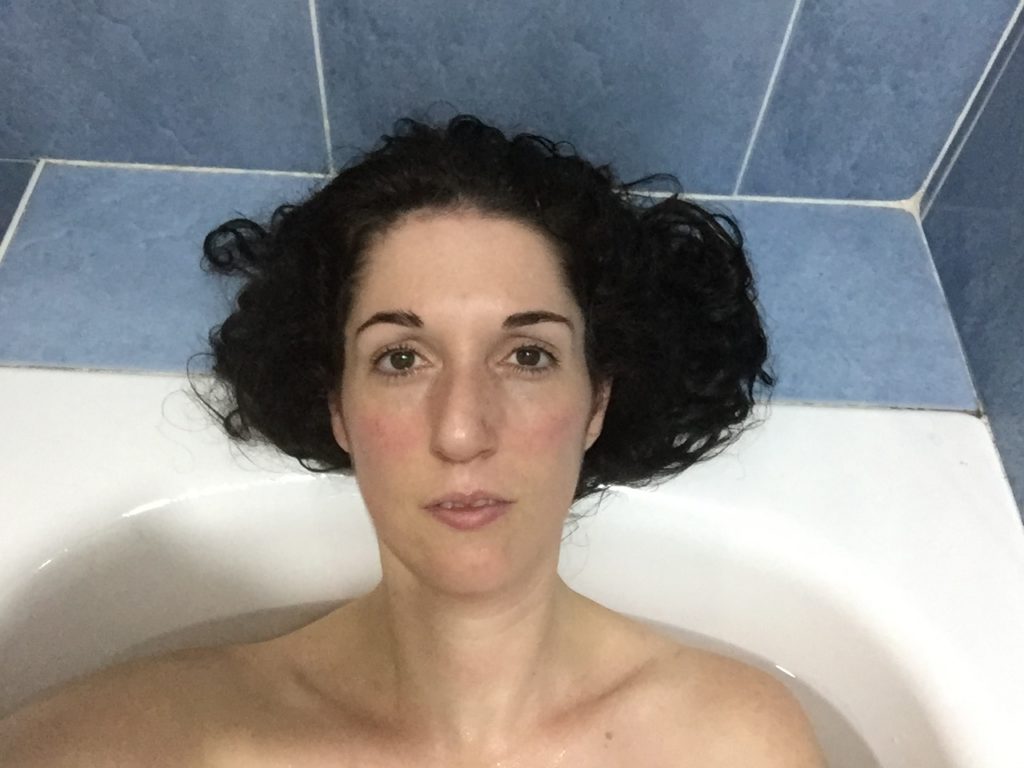
The photographs themselves often reclaim the female body through a feminine perspective, where the meaning of nudity speaks of self-exploration and intimacy. Women become both the creators and the subjects of their own images—muses and goddesses, objects and subjects. They have diverse perspectives, are multidisciplinary and multi-themed, and use all available means to convey their messages.
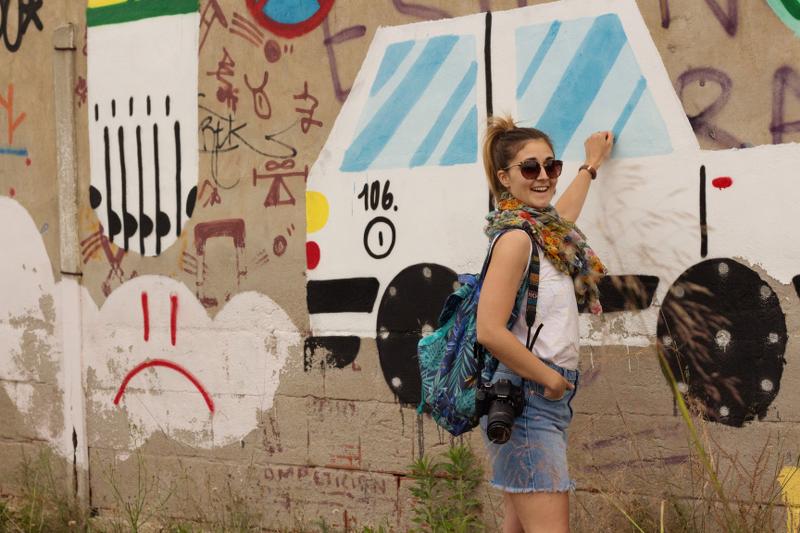 Photograph by Palmira Sánchez
Equality is also being reclaimed on social media platforms like Facebook, Flickr, and Instagram. These platforms have become spaces for women to gain visibility and for us to begin paying attention to their work. They also serve as hubs for interaction, exchange, advocacy, and collaboration. In these virtual spaces, photographs serve as a means of communication, combined with words as a tool for connecting with others. Everyone uses them. If we once relied on words, today, it’s images that tell our stories. We’re returning to earlier centuries, when humanity’s history was conveyed through pictograms and religious imagery, along with the ideological risks that come with it. In this context, we see images that are purely decorative and for consumption, alongside others that make us think—images that bring pleasure to the viewer or challenge and inspire change. It is the latter that many women photographers seek to create.
Photography provides evidence and documentary value to what is being explained. We often believe that what we see must exist, which can shape our thinking, beliefs, and values. If photography shapes thought, we must ask ourselves whether a shift in the visual narrative is necessary. Should we continue creating and promoting certain types of images, or is there a need for something new? Photography is a human construct that conveys specific perspectives and individual expressions rooted in shared social and educational contexts. It’s essential to remain mindful during the process of creating our memory and identity, recognizing that the images we create can shape the thoughts of those who view them.
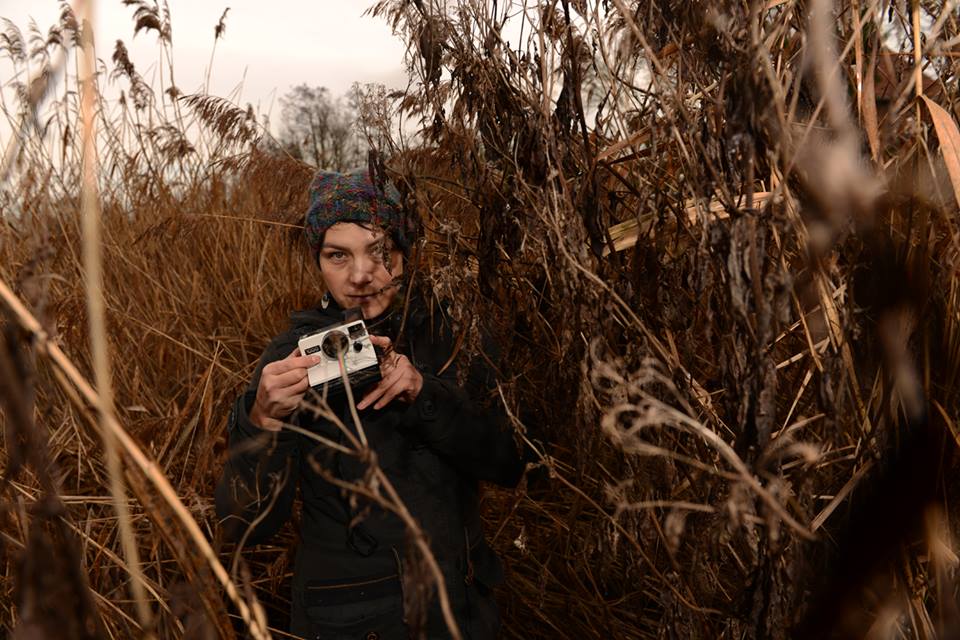 Photograph by Elisa Rivera
There are no studies that determine whether a photograph can be identified as having been created by a man or a woman or whether there are distinctly male or female gazes. In both cases, we encounter visual constructions that may engage the viewer or not—images that evoke stories and creations that invade the mind. Men and women create, explore, and experience reality, each bringing their unique perspective to their work, offering the world their own way of seeing it—without distinction.
It is time to call out and publicly denounce the underrepresentation of women photographers. But it is also time to break glass ceilings, make ourselves visible, and dare to step forward—publish, present our work to major brands, and compete for the most prestigious awards. If we often complain about our lack of presence in spaces historically dominated by men, it is time to take responsibility and step forward, claiming our rightful place in the art world.
The edition of Magazine PHOTOPICS ART directed by Javier Fernandez, aimed to highlight and bring visibility to female photographers—a small selection of the immense talent they represent. This showcase of remarkable works underscores the importance and necessity of continuing the conversation about these talented women. It represents a strong commitment to continue the fight and inspire society to focus on women creators, artists, and intellectuals.

Some may argue that grouping women together in an exhibition or magazine solely because they are women is unnecessary. However, without such initiatives—focused on making women visible and reclaiming their perspectives, which have been absent or overlooked in the history of art, books, fairs, and congresses—many would not have gradually gained inclusion or the courage to continue creating.
Positive actions or equality measures can ensure, at this moment, that we become familiar with the work of many outstanding female artists and prevent them from being excluded from the historical narrative. The presence of women in collections, awards, steering committees, judging panels, and museum management—in short, in the institutions that shape history, beliefs, and values—is very limited. The numbers simply don’t add up. As Eleanor Roosevelt said, “Understanding is a two-way street,” and only through this mutual exchange can we truly analyze reality. We must create networks and unite to reclaim what belongs to everyone. As Virginia Satir said, “We cannot allow the limited perceptions of others to define us.”
 Photograph by Javier Fernández, director of Photopics Art Magazine
It is easy to find women photographers and professional artists who can represent major brands, produce award-worthy work, or become part of history. You can look to renowned trailblazers like Cristina García Rodero, Cristina de Middel, Isabel Muñoz, and Ouka Leele, among many others. Or you can consider this proposal from PHOTOPICS ART: young and courageous women who have entered the creative world, brimming with talent, and proving themselves to be exceptional professionals every day.
To quote Martha Graham: “I never think about the things I’ve done; only about the things I still want to do, the things I haven’t done yet.”
Cómo citar este artículo How to cite this article
Al citar, reconoces el trabajo original, evitas problemas de plagio y permites acceder a las fuentes originales para obtener más información o verificar datos. Asegúrate siempre de dar crédito y de citar de forma adecuada.
By citing an article, you acknowledge the original work, avoid plagiarism issues, and allow access to the original sources for further information or data verification. Make sure to always give credit and cite appropriately.
ANDANAfoto. (March 28, 2018). "Musas y Diosas". ANDANAfoto.com. | https://andanafoto.com/en/musas-y-diosas/.