Photography and Clinical Psychology: From Self-Knowledge to Professional Practice



Iain Macmillan
Visual education should be incorporated and emphasized from the beginning in all schools. It should be included alongside the study of literature, history, or mathematics. In language studies, we learn grammar first. In photography, we must learn visual grammar.
These words by Cartier-Bresson defend the significance of integrating visual culture into education alongside other academic disciplines.
We are inundated with an incredible array of images in our daily lives. Yet, we struggle to discern which ones will endure and become part of history due to their beauty, innovation, or what they express.
Visual culture is conveyed through our gaze, through how we perceive life and compose our experiences. When an individual creates images, they often reveal their visual journey, reflecting interests in literature, cinema, exhibitions, or a deep appreciation for art. Through their work, we can often identify their influences and references. In short, whether their visual culture is broad or not, but only and exclusively if ours is, too. Otherwise, we are limited to only saying, “I like it / I don’t like it.”
 Cristina García Rodero
Having a broader visual culture does not guarantee better photographs. However, it is true that without visual culture, it is unlikely we will take truly good photographs.
Culture is the sum of all forms of art, love, and thought,
that, over the centuries, have allowed man to become less enslaved.
André Malraux
What should I do, then?
Get inspired and learn. Set your gaze on the great artists of history—not only photographers but also those in literature, painting, and music.
Visit museums and exhibitions. Seeing a work of art in person is nothing like viewing it on a computer screen. Consider how the pictures are presented and framed—their materials, supports, size, and the overall arrangement of the exhibition. Read the catalogs, brochures, and research the history behind them. Painting will also enrich your gaze, as will the perspectives, color, abstraction, and poetry that are framed in many works. Many photographers are inspired by the great painters Johannes Vermeer and Edward Hopper.

Johanes Vermeer. Mujer tocando laud junto a la ventana
Cinema and its great cinematographers. Many films owe their beauty to their cinematography. Analyze them from an aesthetic point of view and enjoy the visual experience. Directors like Kim Ki-duk, Almodóvar, and Wes Anderson are great places to start.
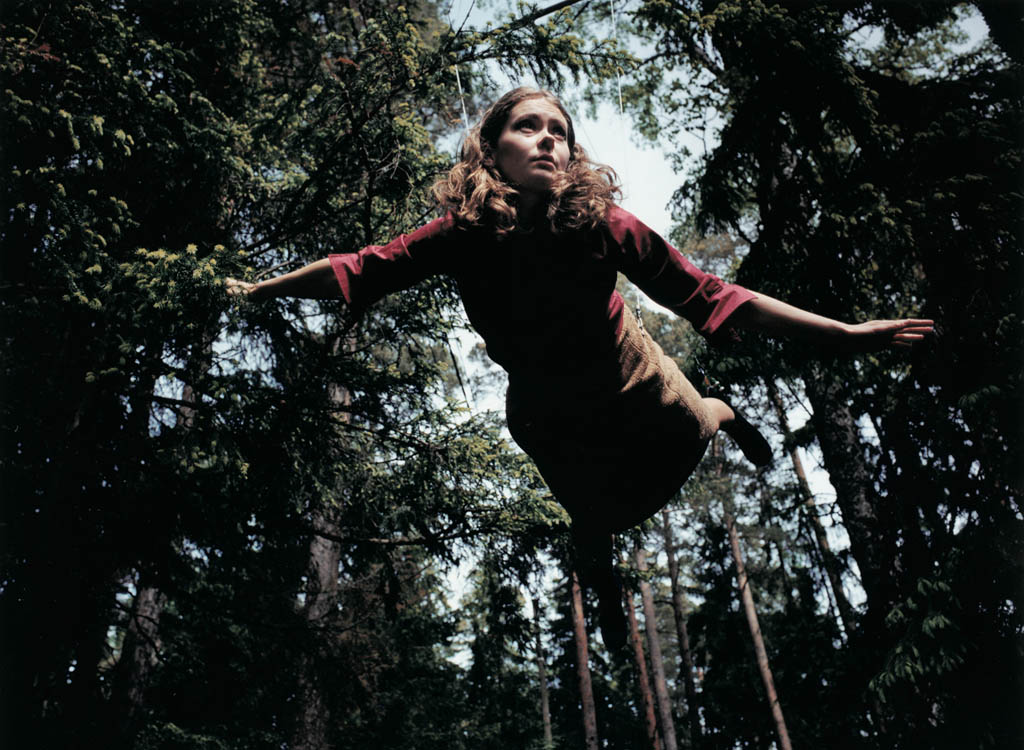 Eija Liisa Ahtila
Reading of all kinds: Novels that inspire imagery, adventures, and, of course, catalogs, biographies, and the history of photography.
Music. All kinds of music.
Seek out all the Art you like and get caught up in, engage in discussions with fellow photography lovers, participate in groups on social media, and be critical of your own contributions. Attend training courses, talks, and conferences where they do not only value technique. Copy and get inspired. Every moment is unique, and so are photographs. Capture and study everything that humans express.
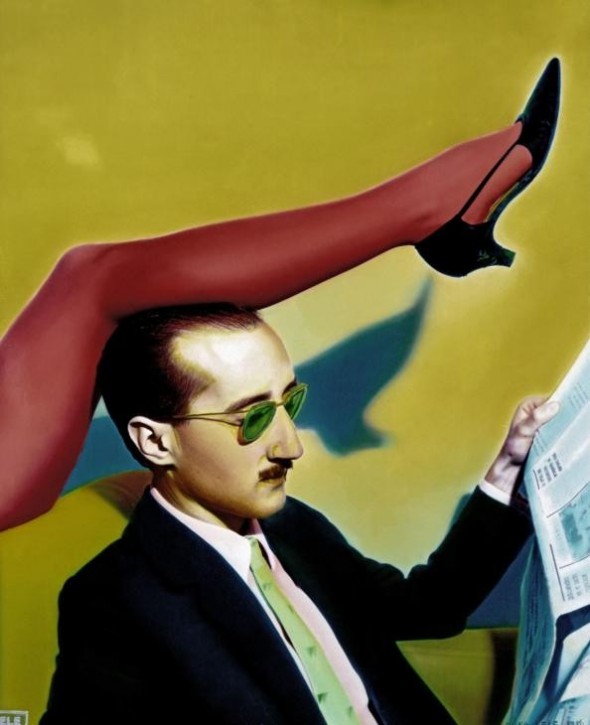 Ouka Leele
In short, an extensive visual culture will give you a critical understanding of images that, combined with your intuition, will enable you to create work of sufficient quality to express yourself authentically, ensuring that your work is both sincere and coherent.
Thank you for being here.
Keep Learning.

Cómo citar este artículo
Al citar, reconoces el trabajo original, evitas problemas de plagio y permites acceder a las fuentes originales para obtener más información o verificar datos. Asegúrate siempre de dar crédito y de citar de forma adecuada.
How to cite this article
By citing an article, you acknowledge the original work, avoid plagiarism issues, and allow access to the original sources for further information or data verification. Make sure to always give credit and cite appropriately.
Psychologist and teacher.With over two decades of expertise, Amparo studies and supports individuals who use photography to enhance their creativity and facilitate their personal growth. Through her work over the years, she has provided valuable information via articles, masterclasses, and courses covering topics that intersect photography and psychology and embarked on personal photography projects. In collaboration with Javier Sancho Boils, she has created ANDANAfoto. Since 2015, they have offered photography workshops with various organizations and platforms.She is the author of the books “Fotografía para crecer. Guía práctica para enseñar fotografía en la infancia y adolescencia (Photography to Grow: A Practical Guide for Teaching Photography to Children and Adolescents)” and “Descubre la fotografía. Mirar, crear y disfrutar desde la infancia (Discover Photography: Look, Enjoy, and Create from your Childhood)”.